Everyday Style
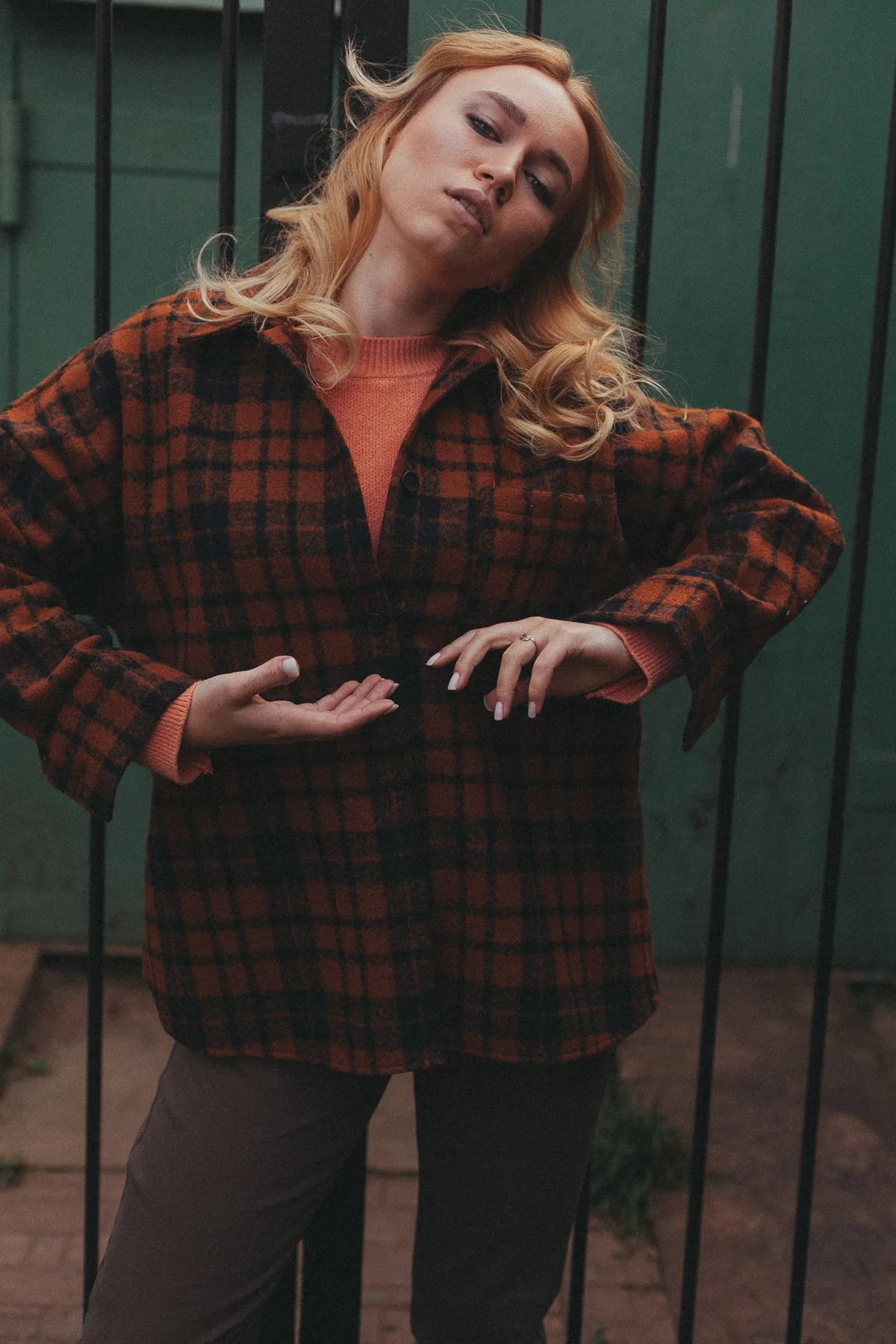
Use an Overshirt as a Comfortable Indoor Layer
Use an overshirt as an indoor layer by testing the base outfit, seated movement, fastenings, cuffs, appropriate pockets, care, and its clear wardrobe role.
Read the story →
Things We Adore
Wearable outfit ideas for coffee runs, workdays and everything in between.
Use an overshirt as an indoor layer by testing the base outfit, seated movement, fastenings, cuffs, appropriate pockets, care, and its clear wardrobe role.
Read the story →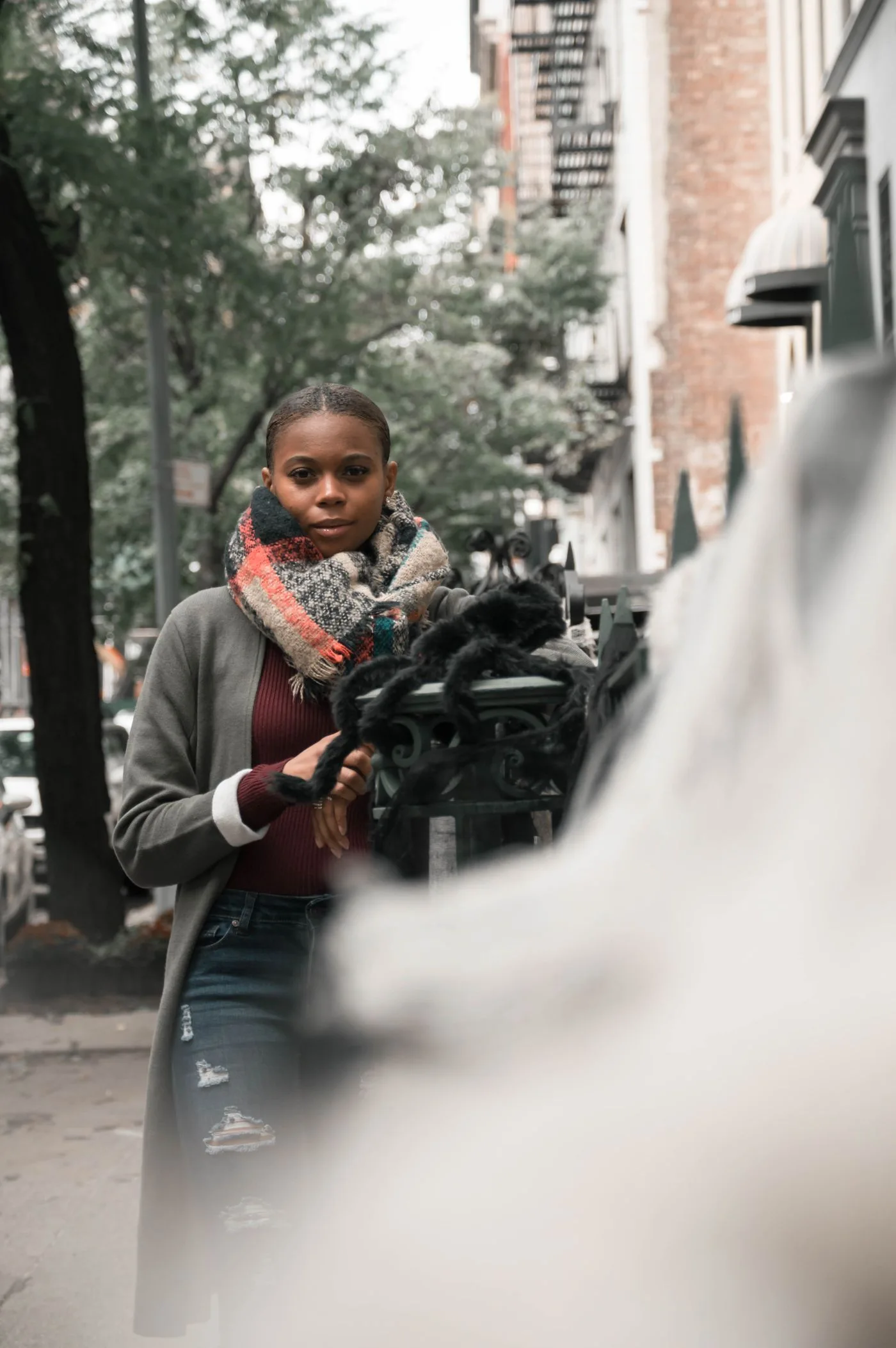
Test a scarf with its actual neckline, jacket, bag, ordinary movement, intended purpose, material care, and a simple place to store it when removed.
Read the story →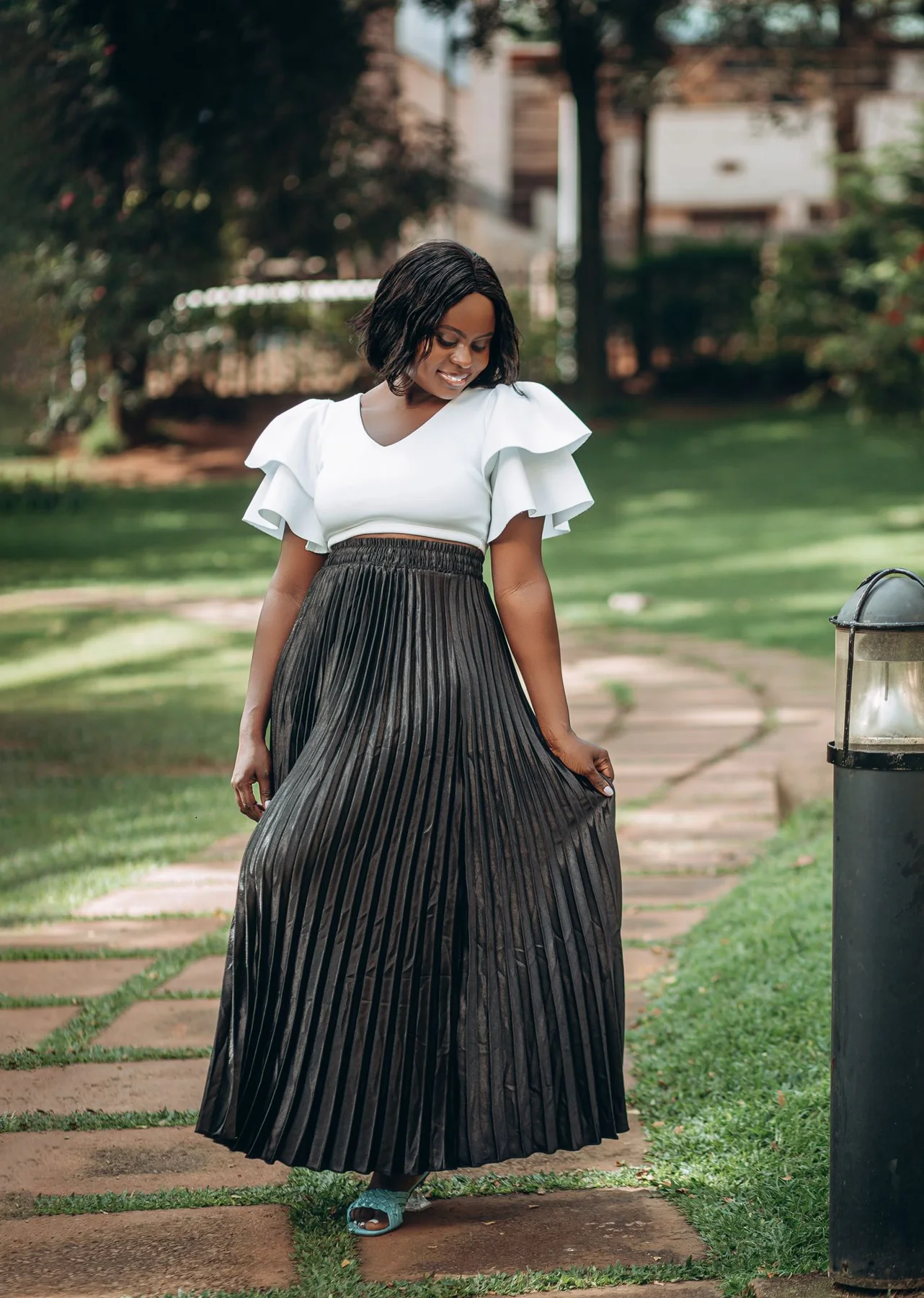
Pair a midi skirt with familiar flats by checking the moving hem, seated waistband, actual top, outer layer, loaded bag, care, and the route you will walk.
Read the story →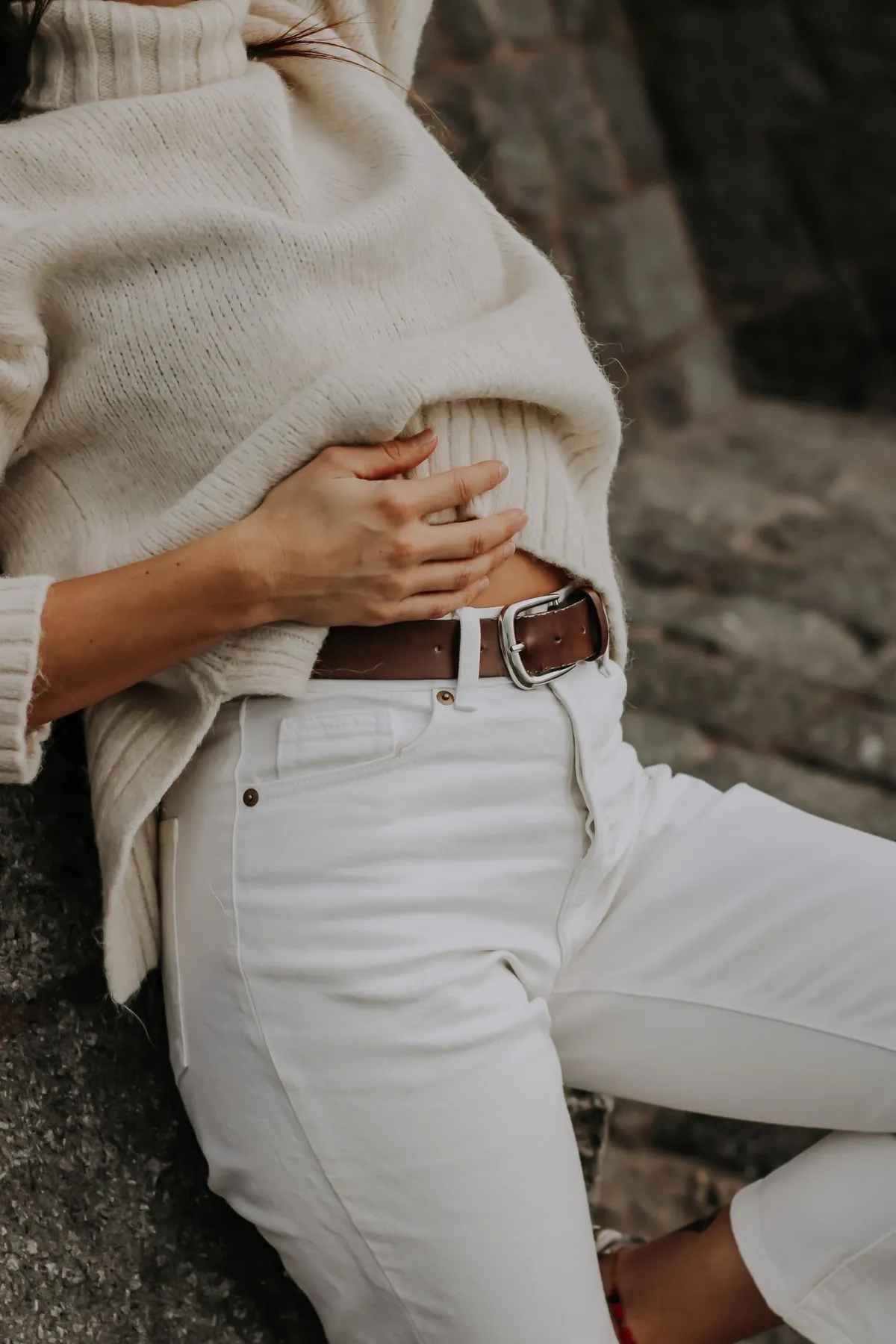
Check an everyday belt with the real trousers, seated fit, intended tuck, outer layer, bag, material care, and any appropriate professional adjustment.
Read the story →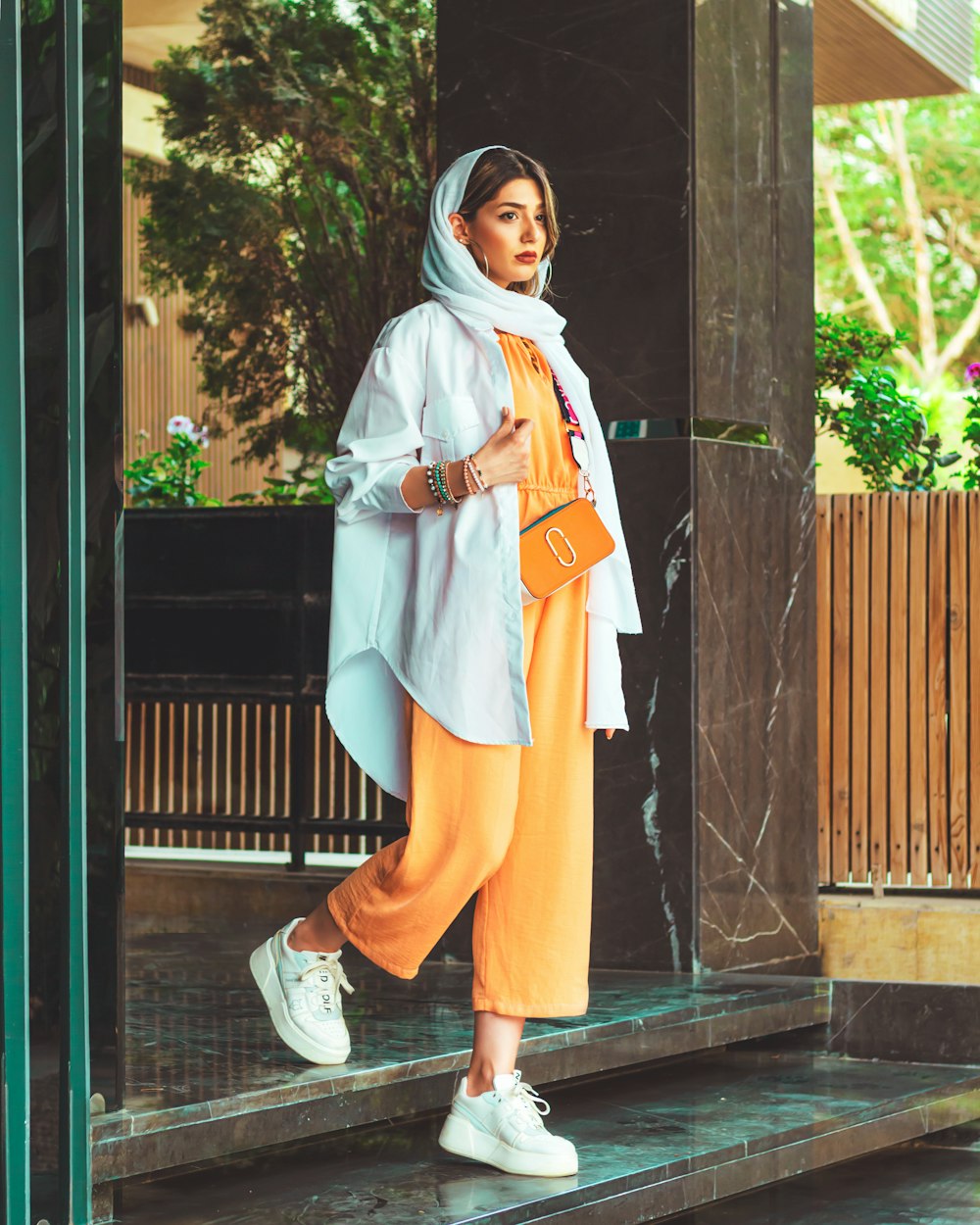
Test shirt cuffs with the actual watch, underlayer, loaded bag, ordinary seated movements, sleeve folds, outer layer, and care routine before regular wear.
Read the story →
A Relaxed Dinner Outfit Built From Everyday Clothes. Practical fit checks, outfit decisions and buying advice for everyday life.
Read the story →
Rainy-Day Dressing Without a Wardrobe Overhaul. Practical fit checks, outfit decisions and buying advice for everyday life.
Read the story →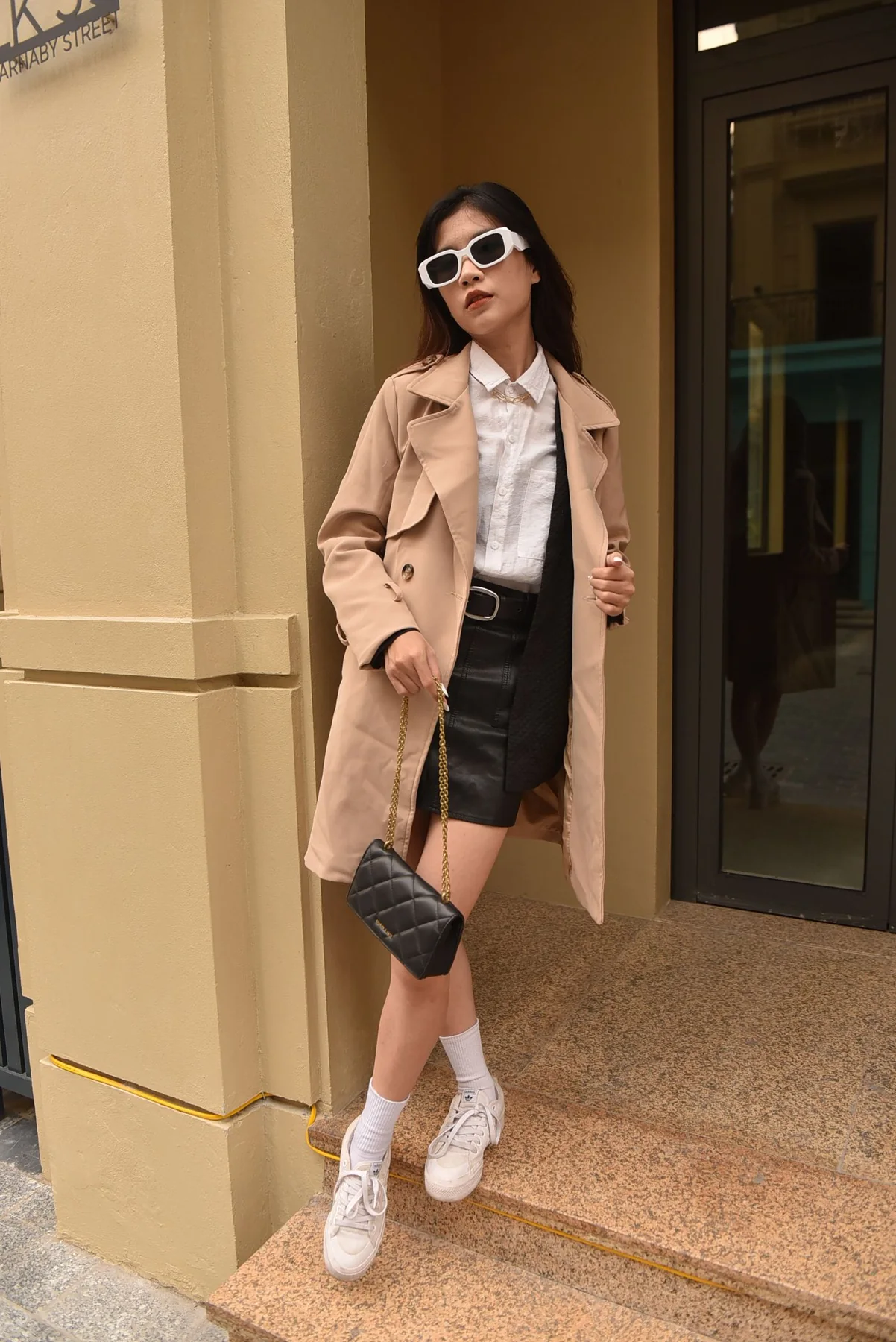
School-Run Style for a Morning With No Spare Hands. Practical fit checks, outfit decisions and buying advice for everyday life.
Read the story →
Workday Layers for a Chilly Office and a Warm Commute. Practical fit checks, outfit decisions and buying advice for everyday life.
Read the story →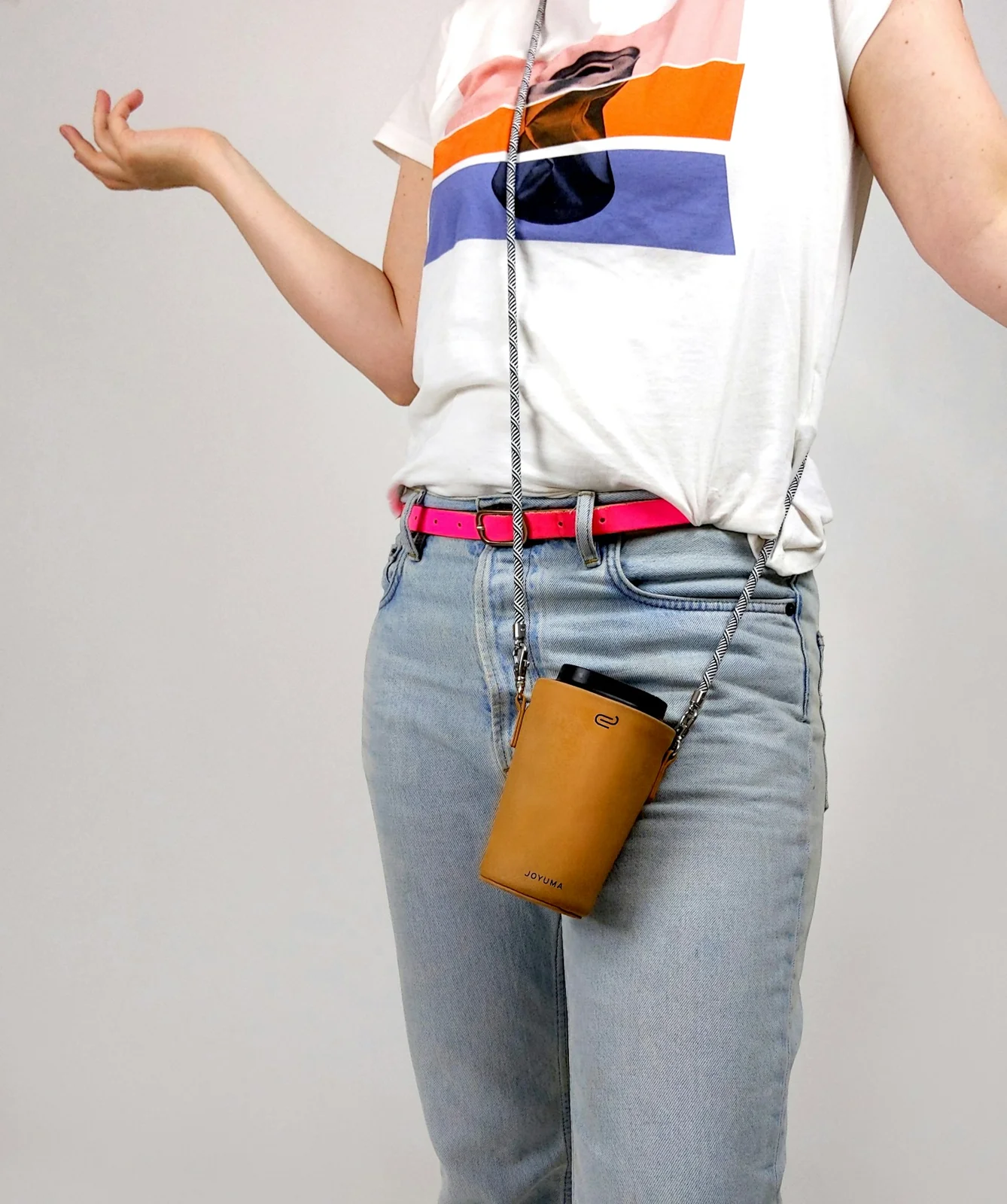
A Coffee-Run Outfit That Can Handle the Rest of Your Morning. Practical fit checks, outfit decisions and buying advice for everyday life.
Read the story →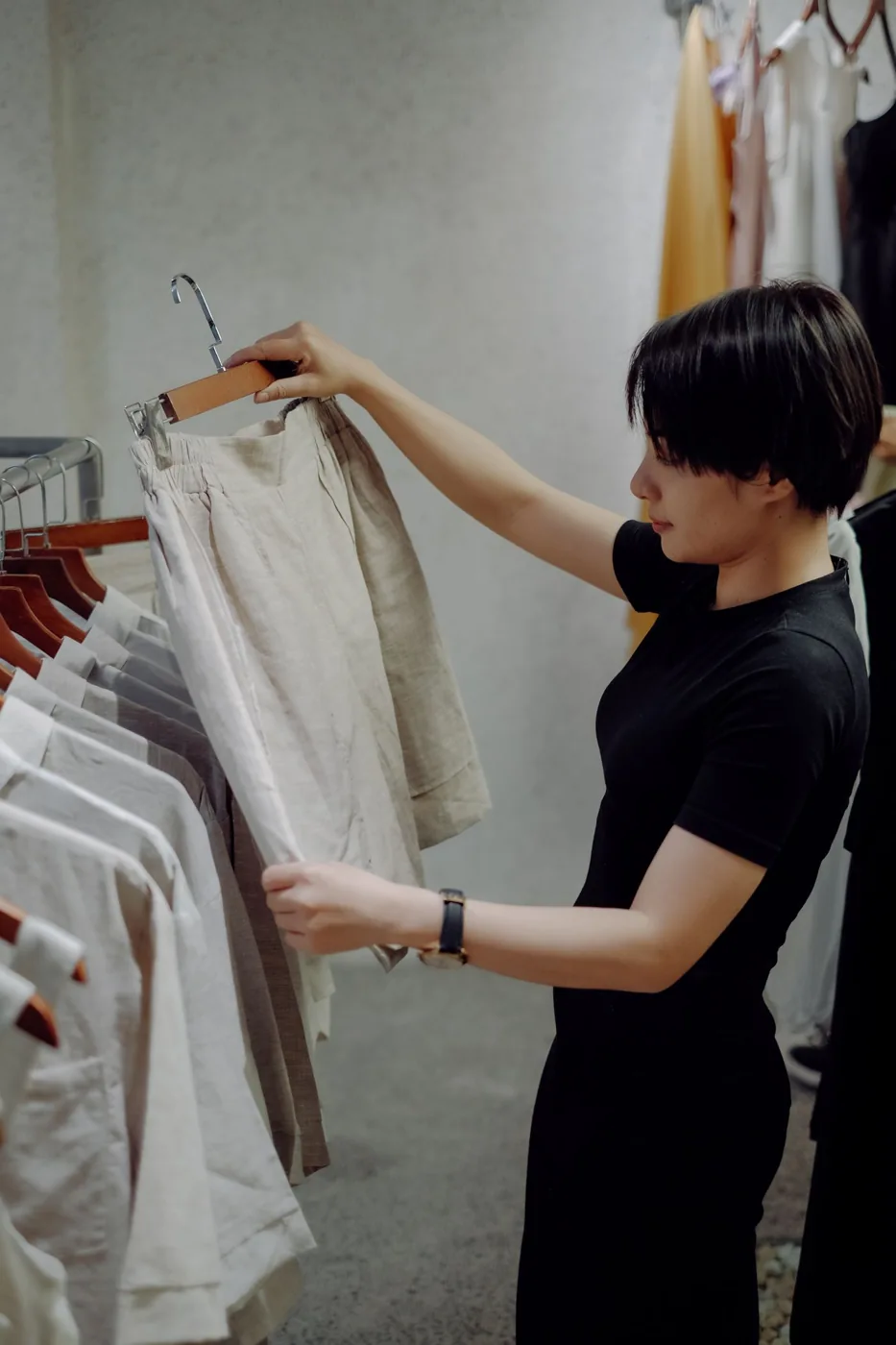
Check tailored shorts with intended underlayers, a normal seated position, realistic pockets, complete footwear, actual setting requirements, and specific garment care.
Read the story →
Pair a sweatshirt hem with your actual waistband, checking fabric behavior, seated movement, intended bags and coats, a repeatable finish, and appropriate garment care.
Read the story →
Give a blazer lapel and shirt collar comfortable space through actual layers, front and back fit, normal movement, intended fastenings, and complete outfit use.
Read the story →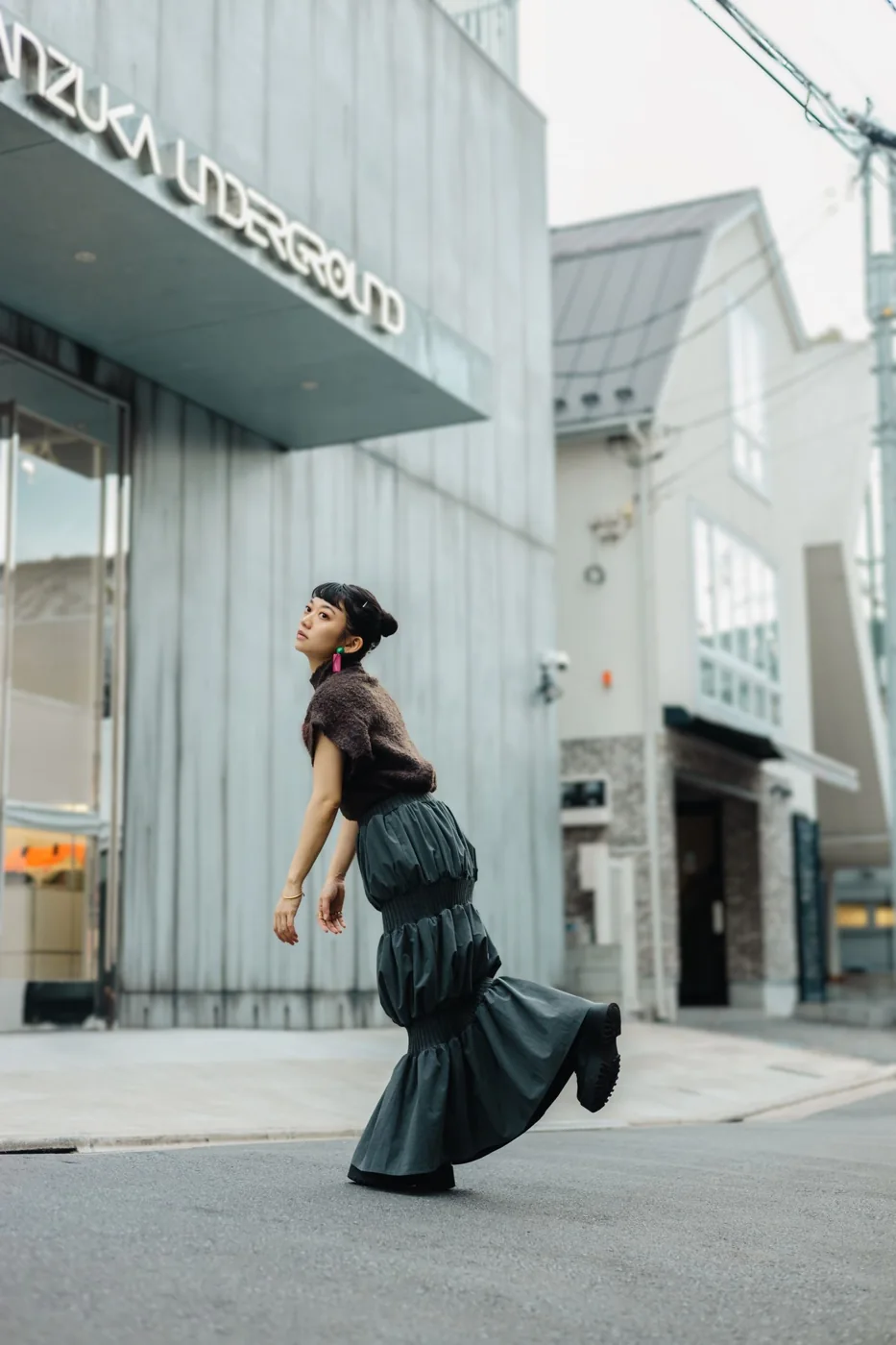
Try a tiered skirt through seated fit, comfortable waistband placement, intended footwear, ordinary movement, complete layers, and the fabric care you can provide.
Read the story →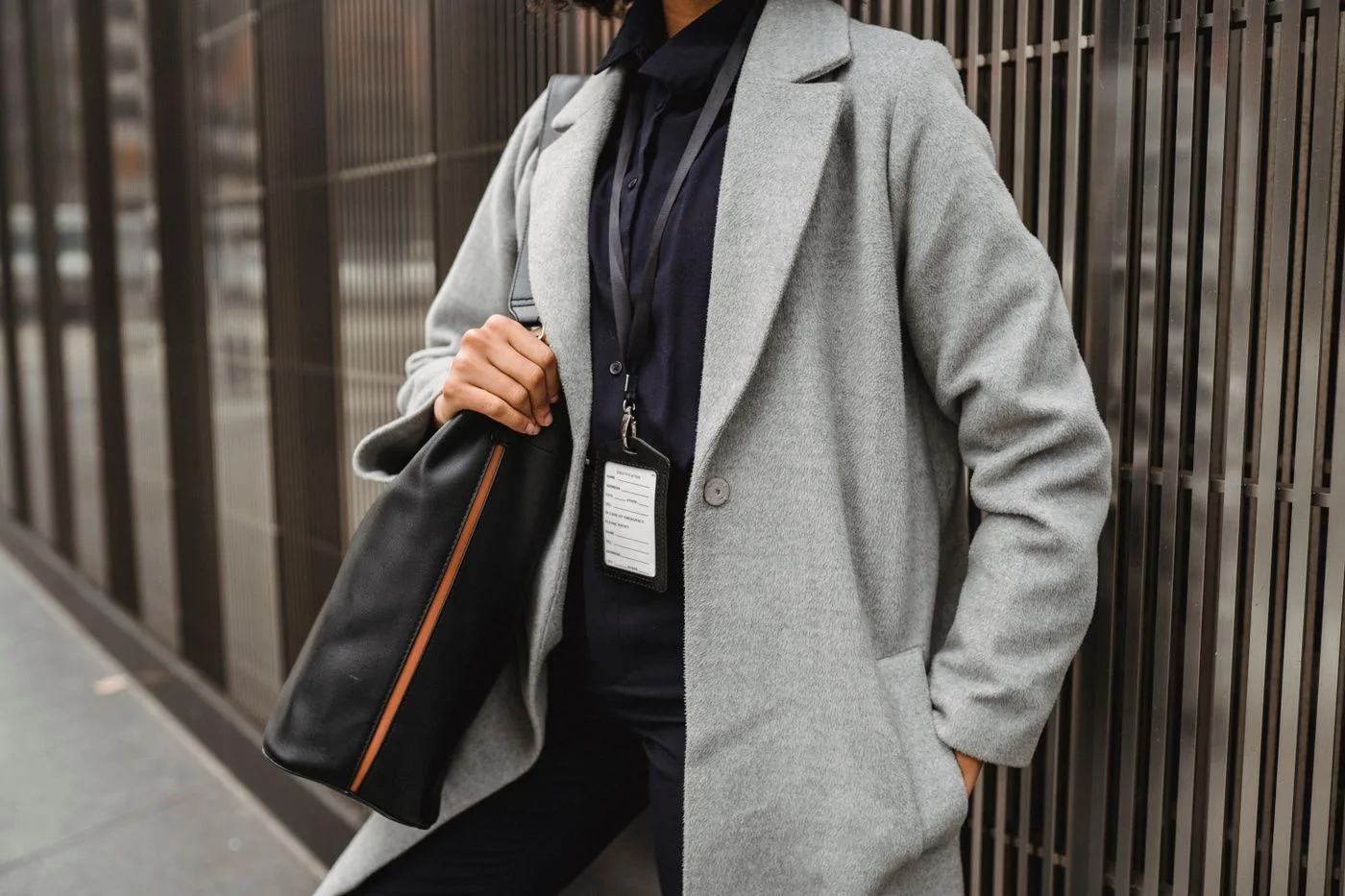
Wear an open coat over a complete indoor outfit, checking real temperature changes, bag straps, comfortable layers, seated use, and the return to appropriate garment care.
Read the story →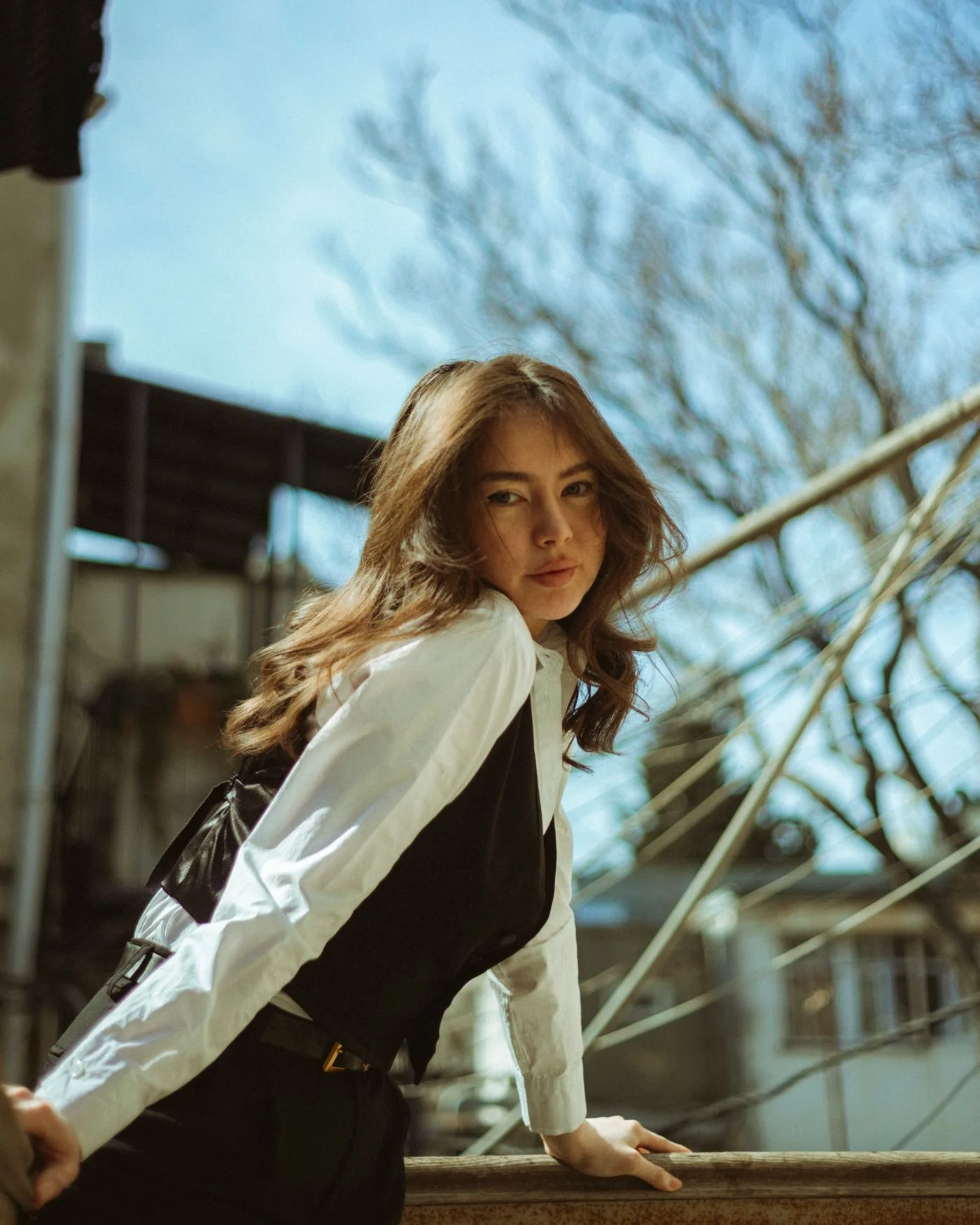
Build a waistcoat outfit around its actual underlayer, checking comfortable armholes, fastening, seated movement, complete coverage, intended layers, and specific care.
Read the story →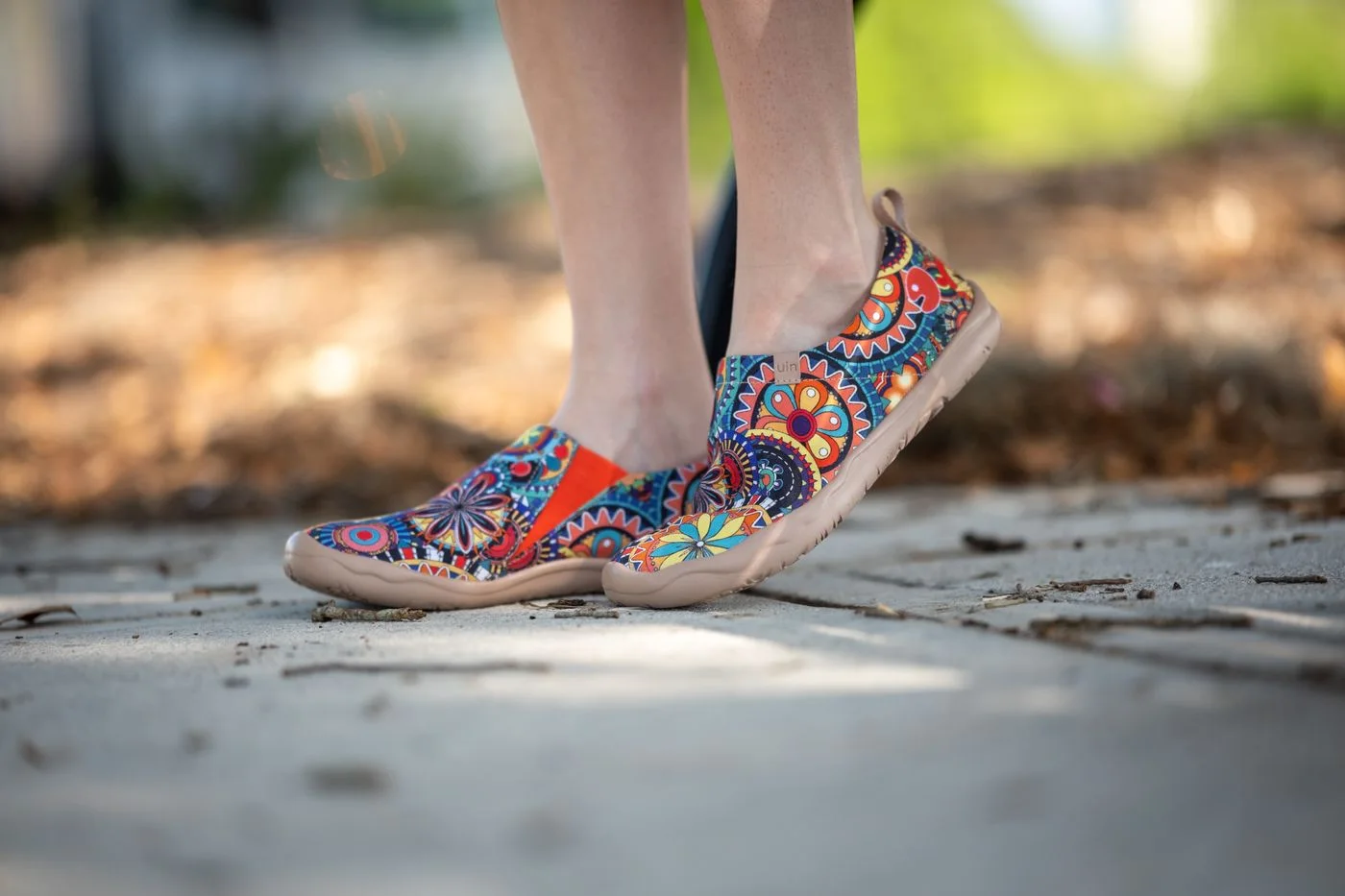
Patterned shoes can be easier to repeat when they join clothes already in regular use. Their colour or print does not require a separate special-occasion wardrobe. Begin with
Read the story →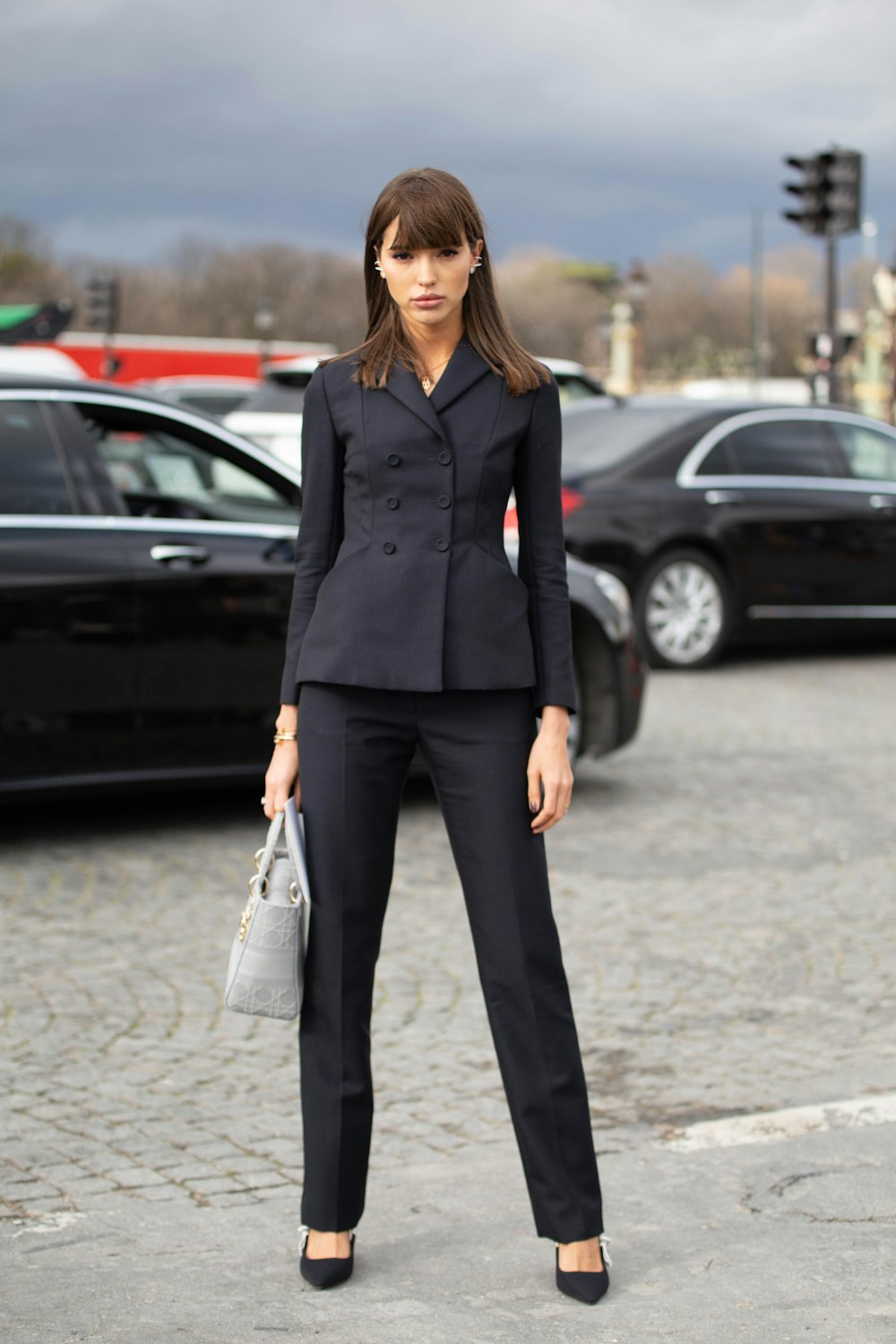
A tailored jacket's length is easier to judge when you sit in the kind of seat you actually use. Standing in front of a mirror shows only one part of the garment's behaviour.
Read the story →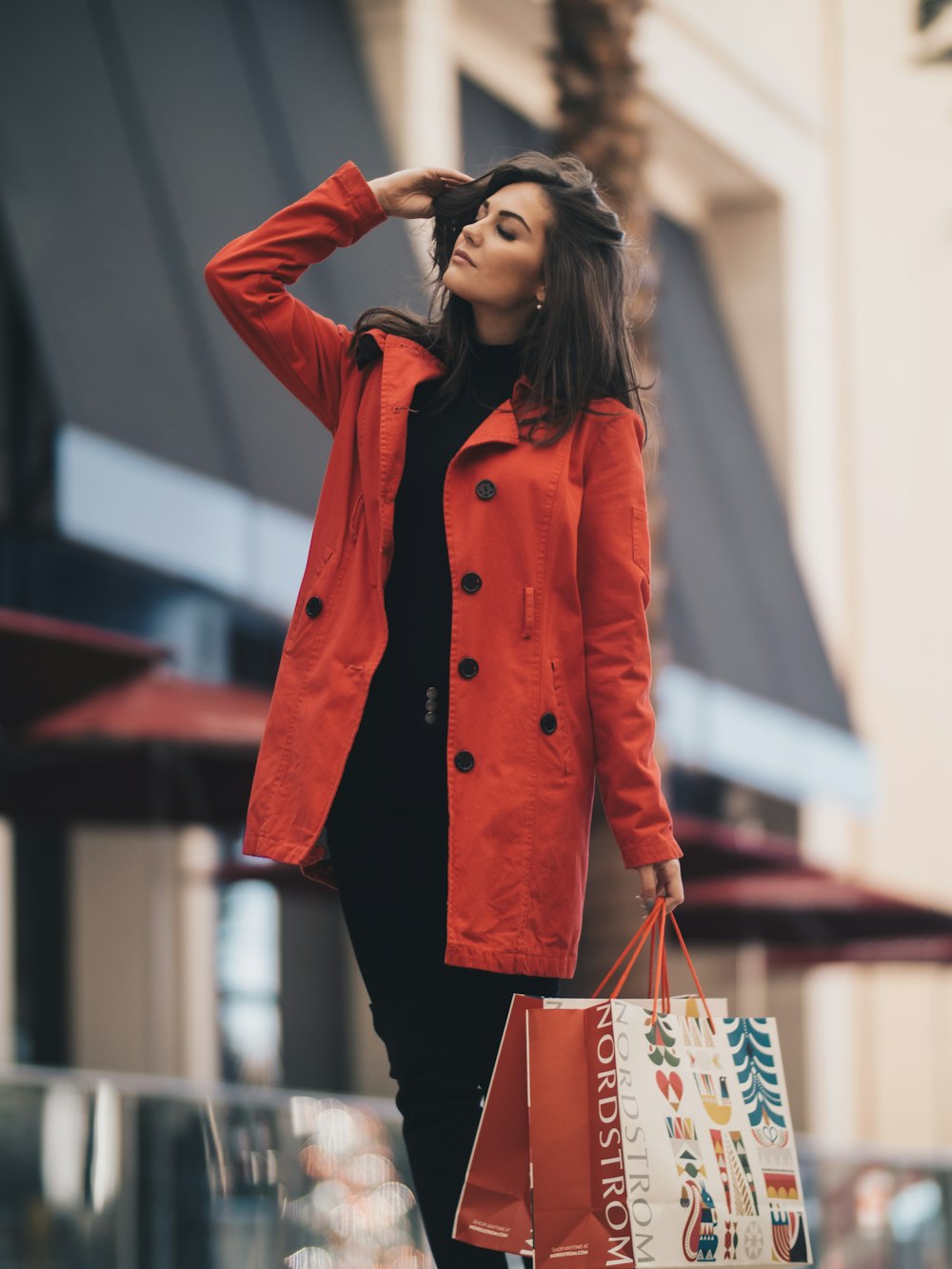
A bright coat can make familiar clothes feel different without requiring an entirely new wardrobe. Try it with an outfit you already understand so you can judge the coat's con
Read the story →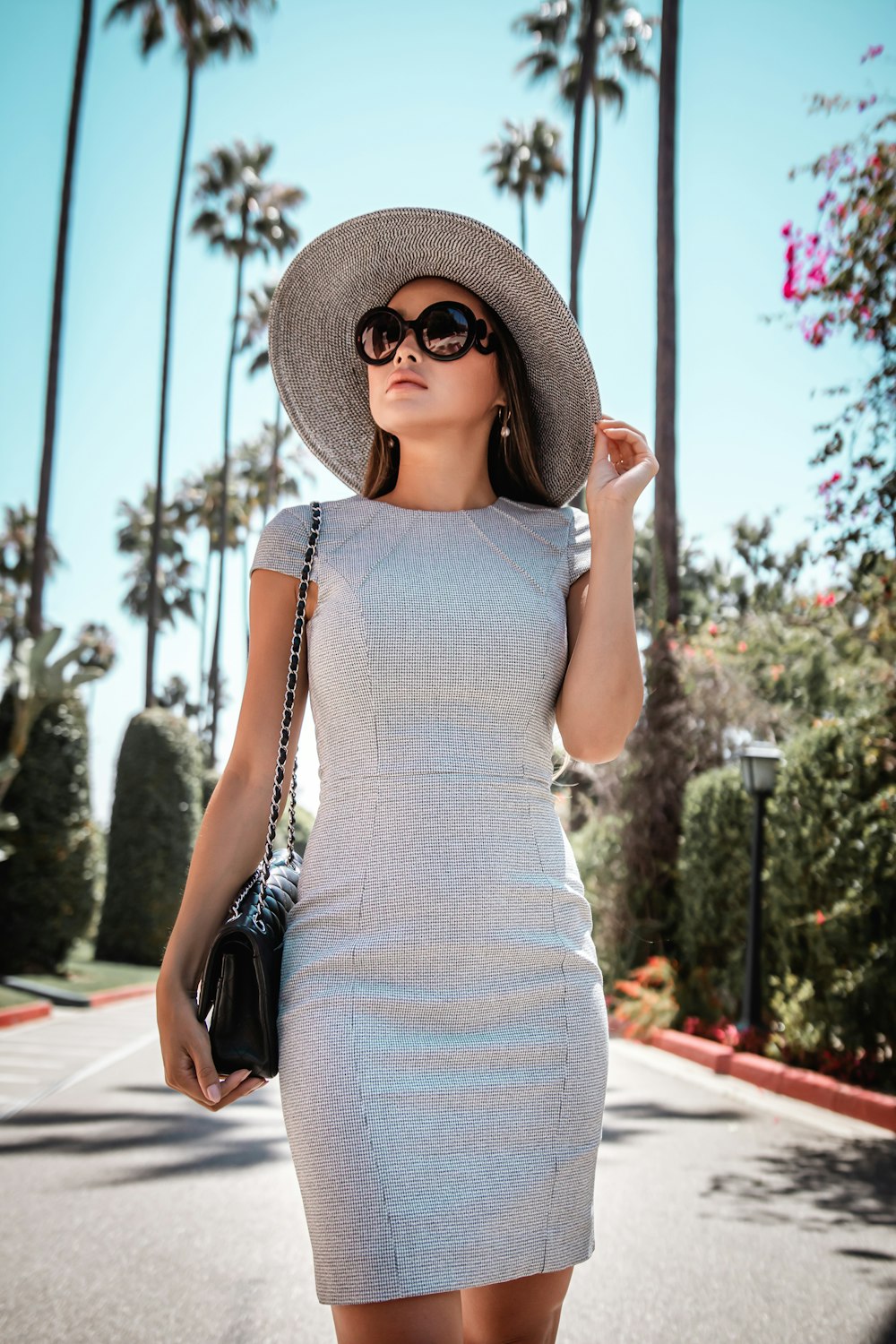
A sun hat can be part of an enjoyable outfit, but it also needs a plan for the moments when it comes off. A cafe, an indoor visit or a journey may change how you carry the who
Read the story →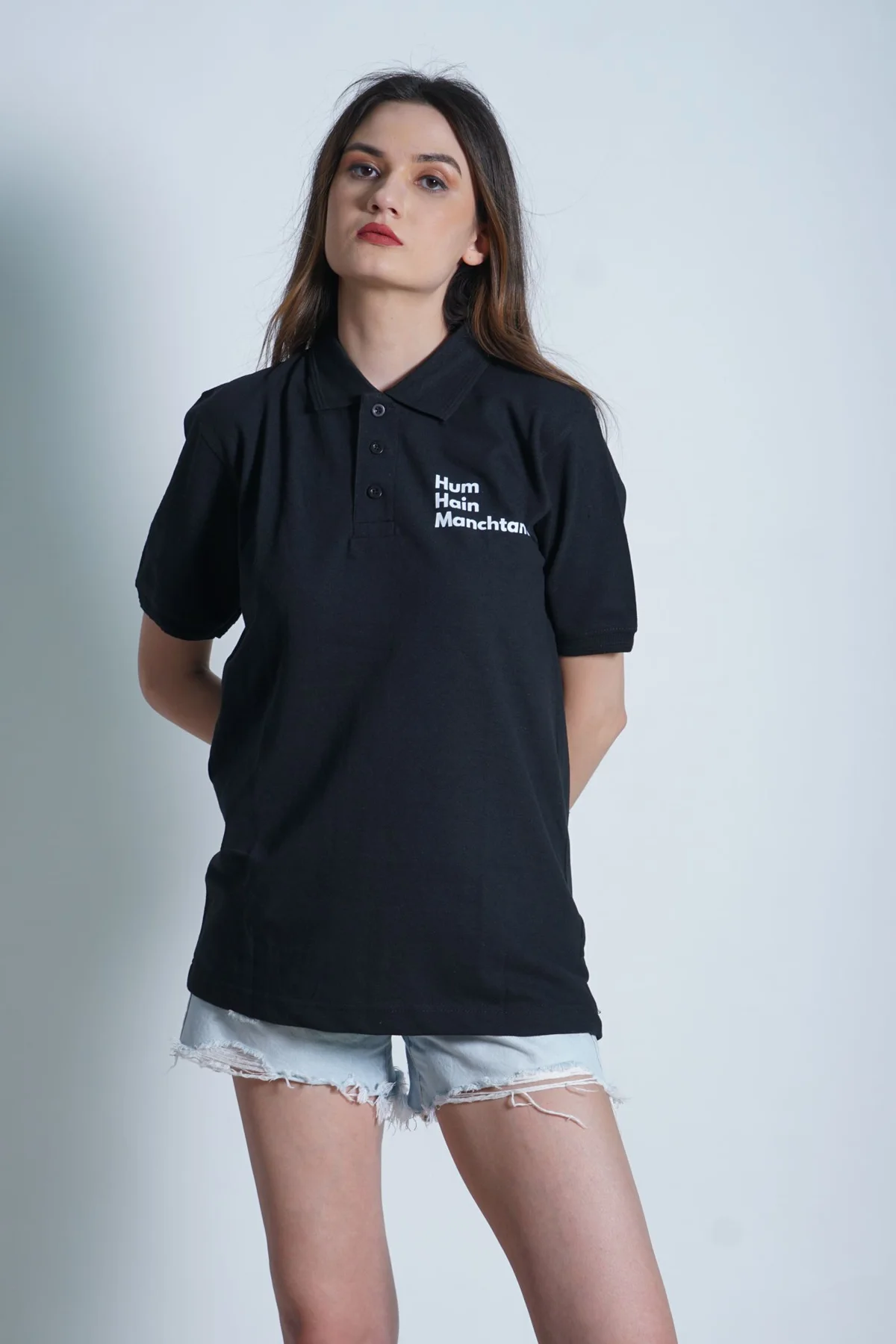
A polo collar can look straightforward until a jacket is added. The collar, opening and lapels then share the same small area, and their relationship can affect both appearanc
Read the story →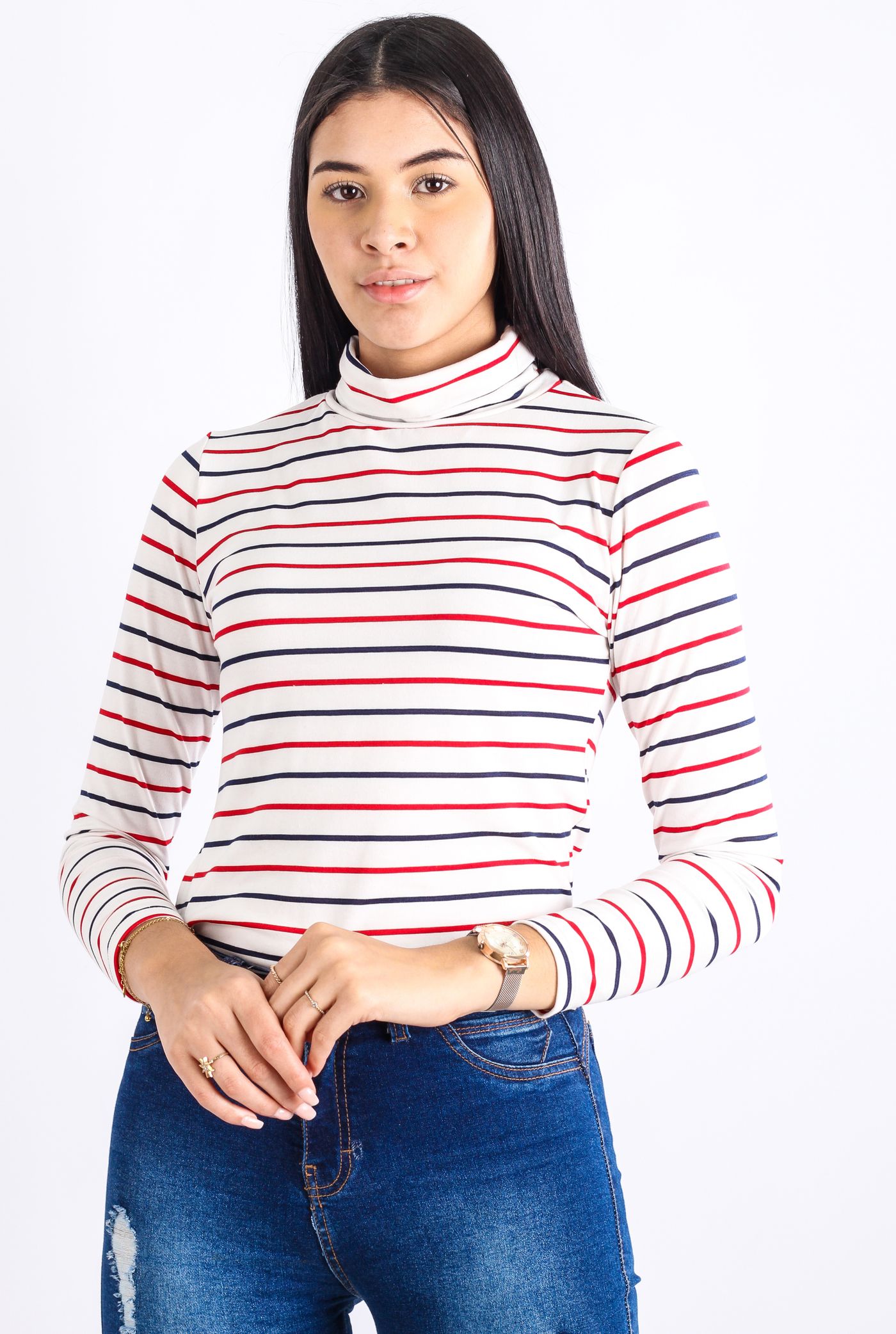
A striped top already brings a clear pattern into an outfit. Choosing what goes beside it is easier when you begin with the clothes you actually enjoy wearing. There is no nee
Read the story →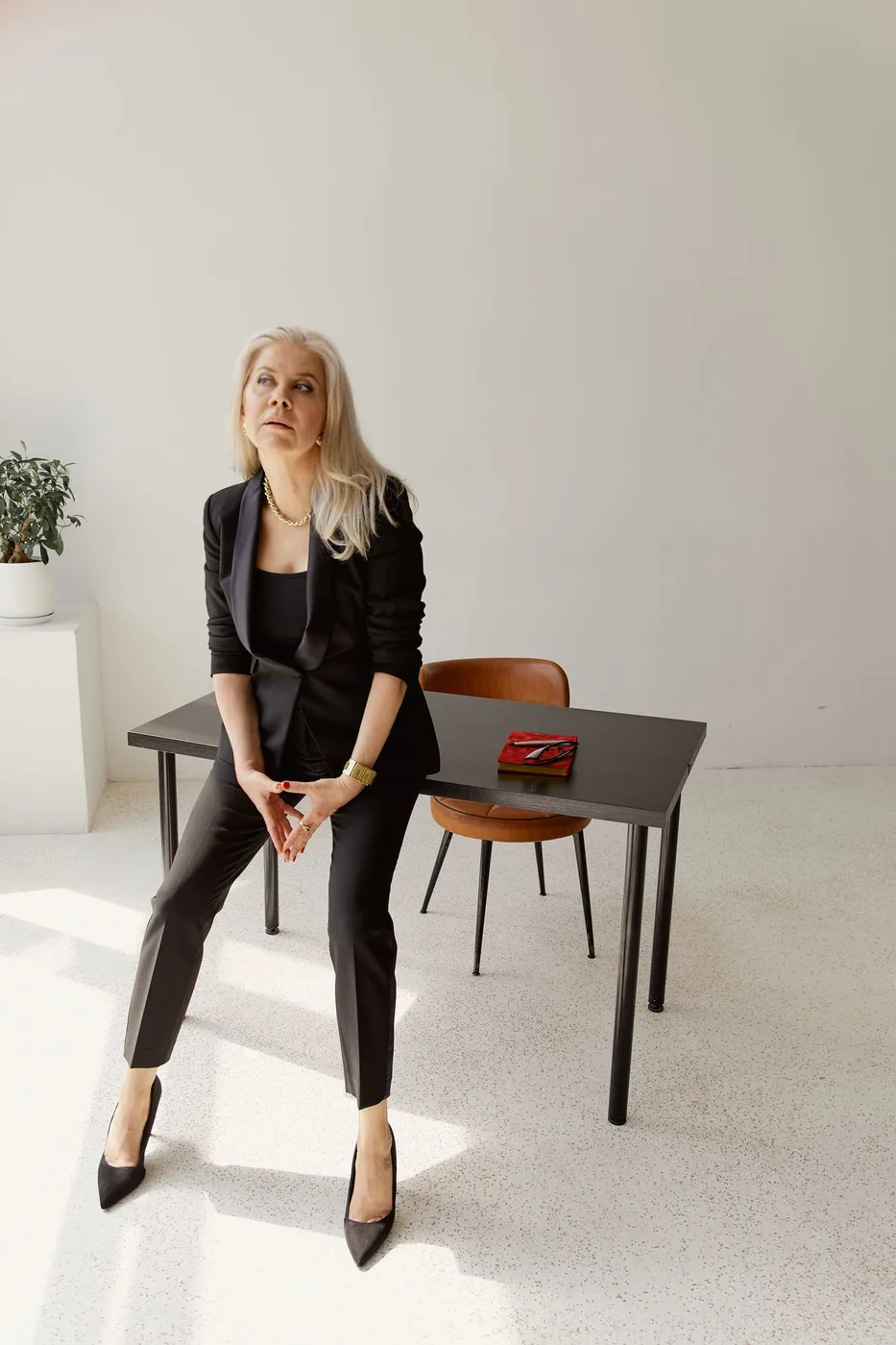
Build a familiar dark outfit through the actual textures and visible layers, making one comparison at a time instead of relying on a matching colour name.
Read the story →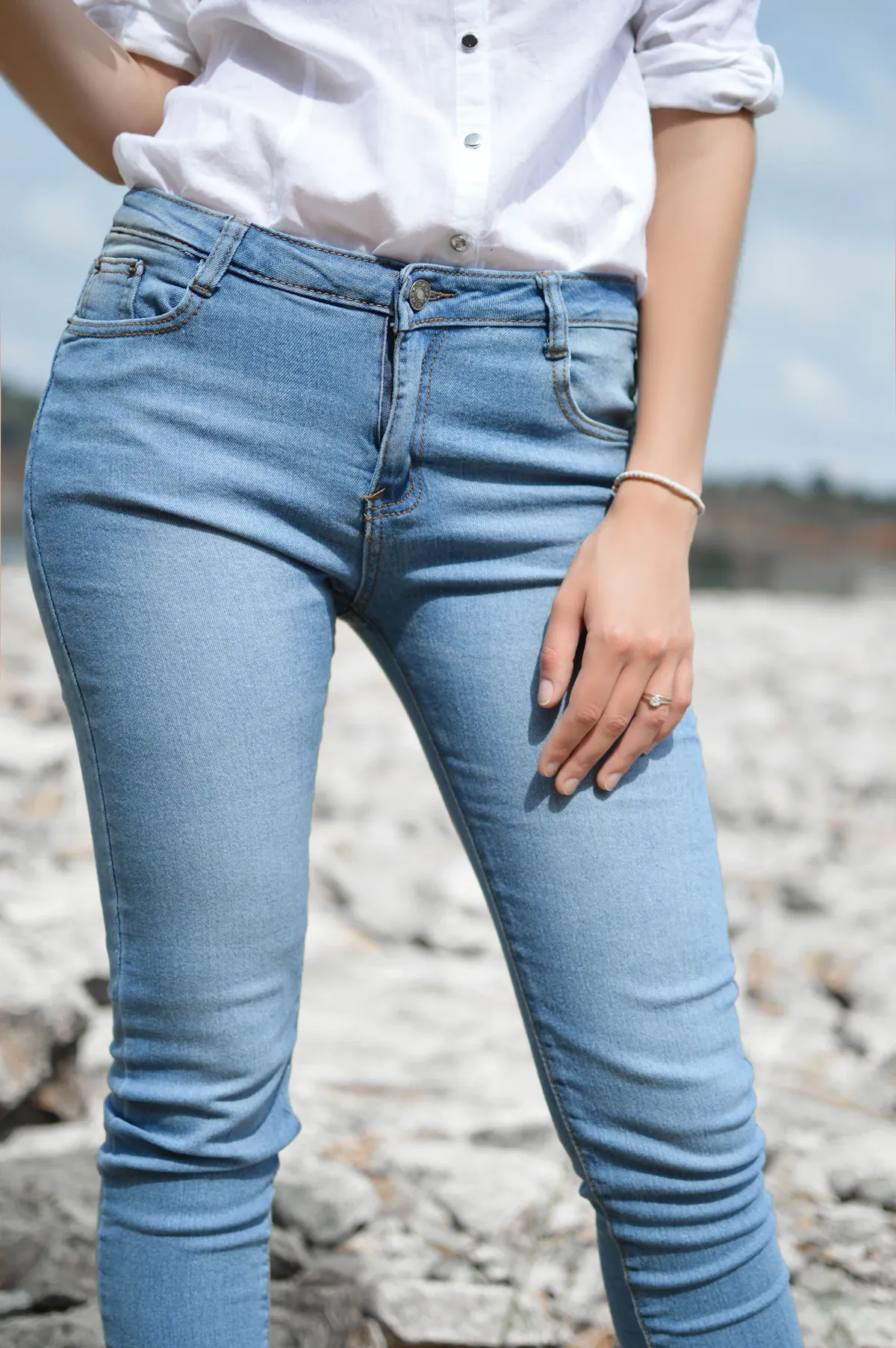
Compare a shirt worn loose and tucked with the trousers you actually use, checking movement and the visible outline before choosing the version you prefer.
Read the story →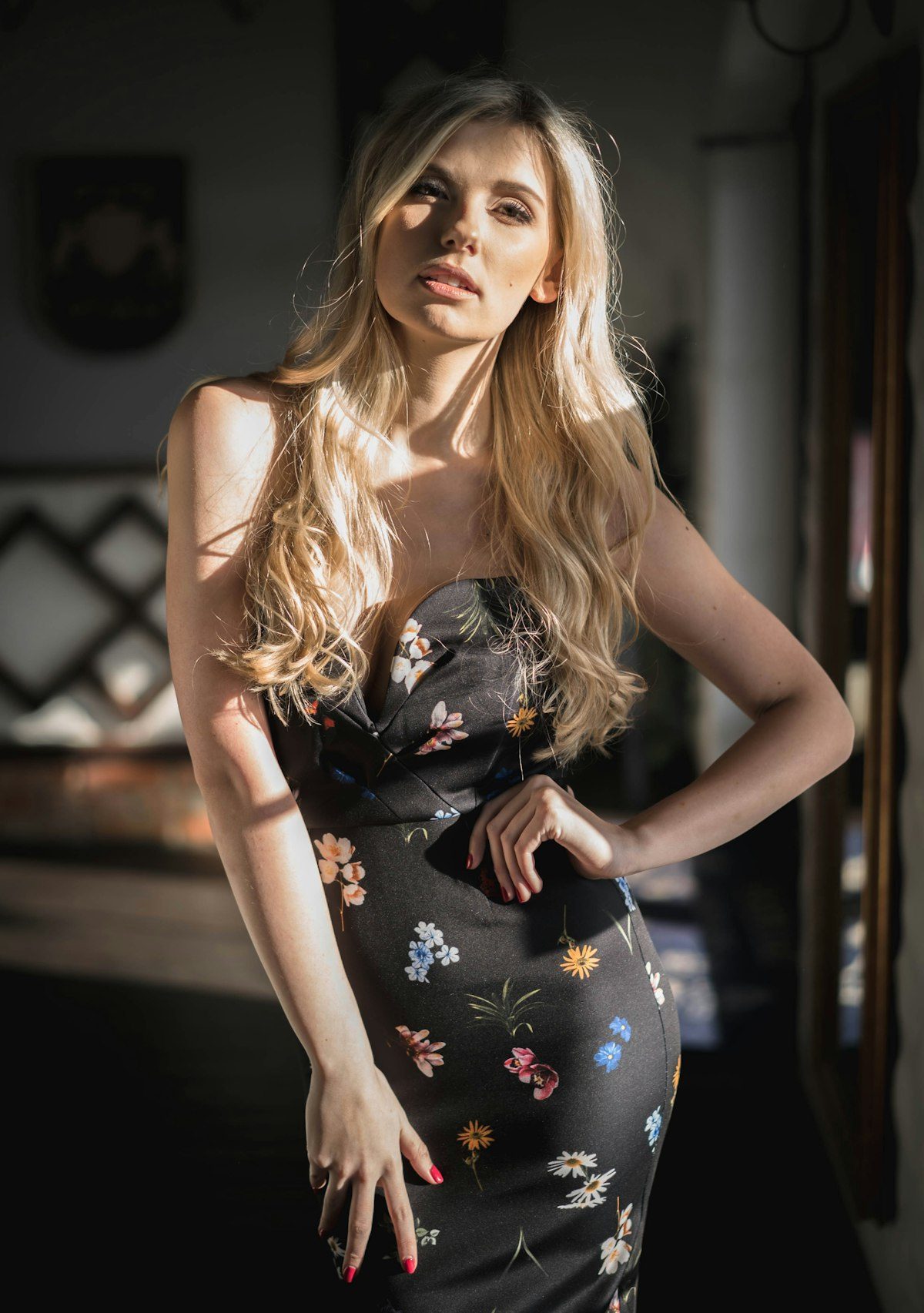
Consider the print placement on the actual dress you are trying, noticing visible motifs and seams without assuming every example of the same design looks identical.
Read the story →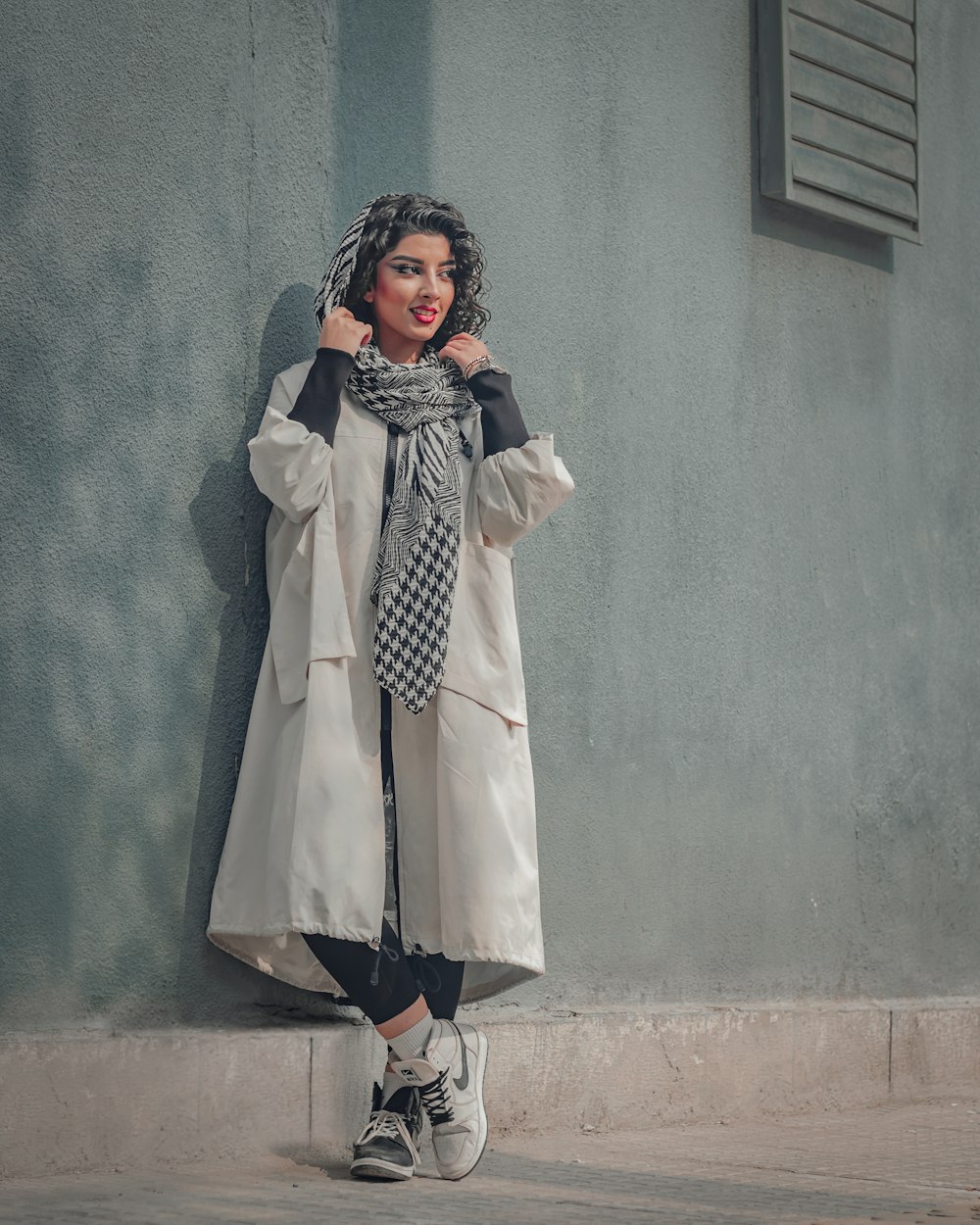
Compare a patterned scarf with a plain outfit base through the visible area and intended layers, leaving the pattern’s role clear without adding another matching print.
Read the story →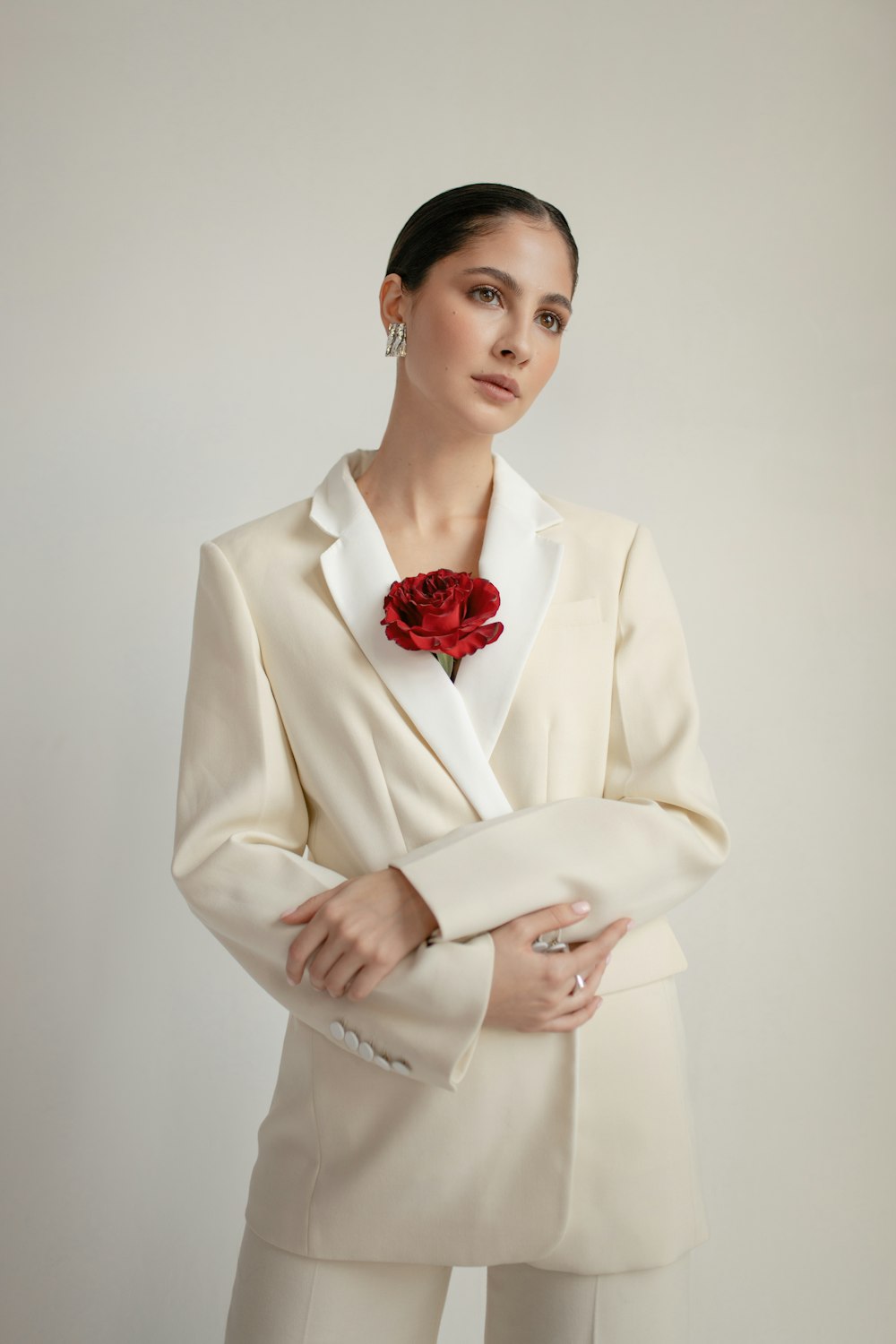
Compare pale clothing shades through the actual pieces and ordinary light, keeping a visual preference separate from assumptions based on similar colour names.
Read the story →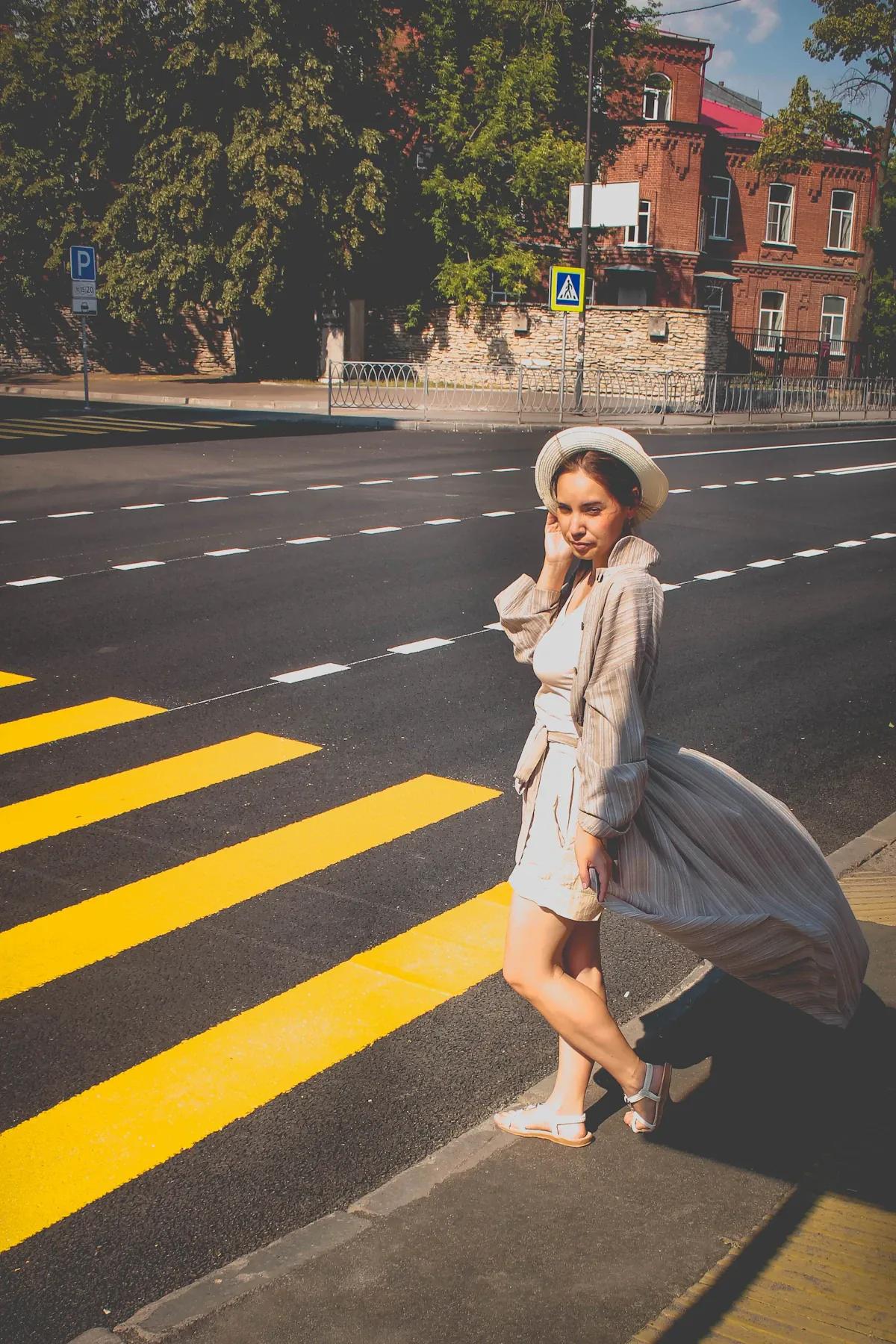
Compare a dress with existing outer layers through their visible outlines and ordinary movement, choosing the actual group rather than a rule about which shape is correct.
Read the story →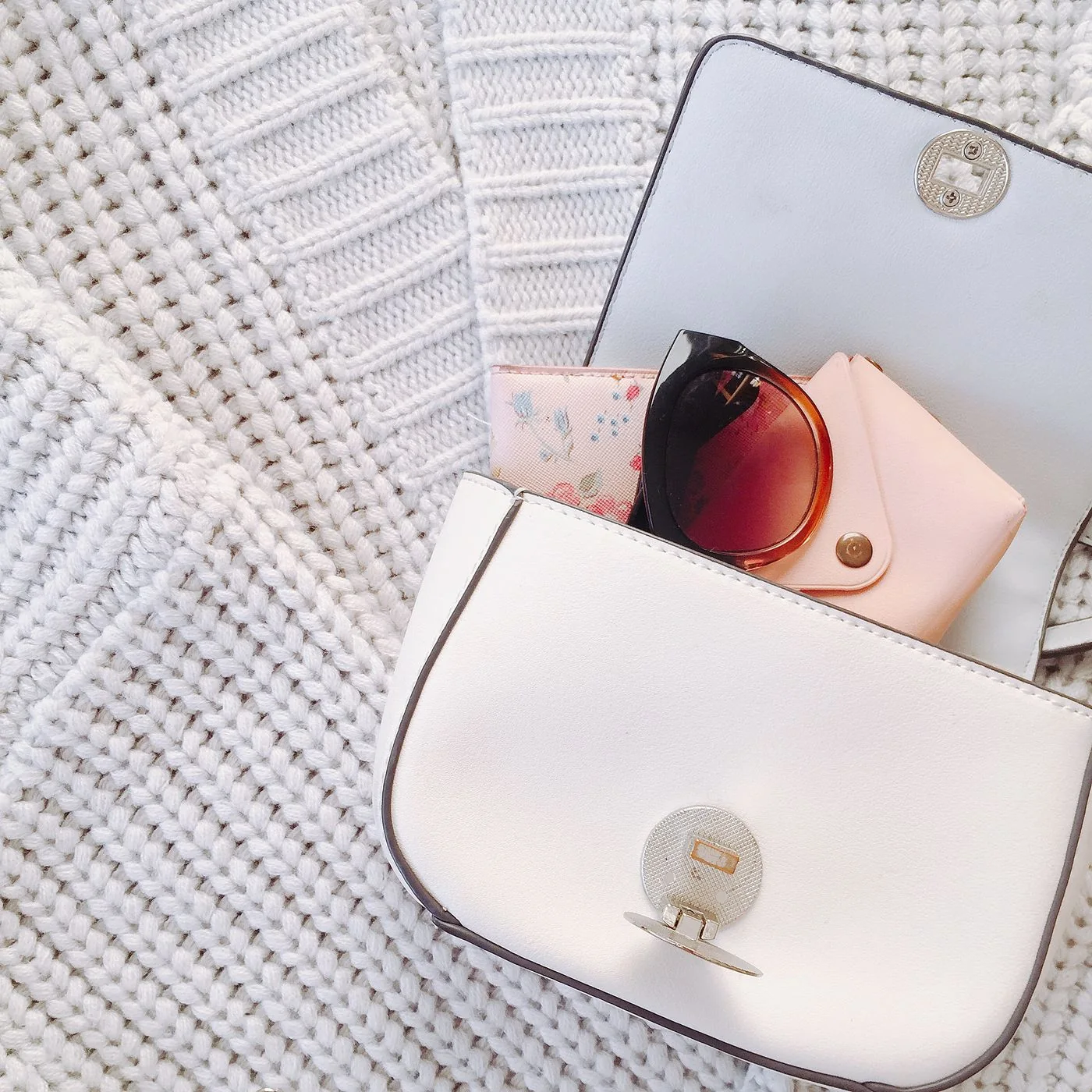
Compare the visible colour of bag hardware with existing outfit details, choosing a relationship you enjoy without treating a photograph as proof of material composition.
Read the story →