
Read the Print Placement on the Dress in Front of You
Consider the print placement on the actual dress you are trying, noticing visible motifs and seams without assuming every example of the same design looks identical.
Shopping disclosure: links within this story are ordinary retailer links. Separately identified advertisements elsewhere on the page may contain affiliate links. Our full disclosure.

A patterned dress is a particular arrangement of colour and shapes, not just a pattern name on a product page. Look at the piece you are actually trying and notice how its visible motifs meet the neckline, seams and hem. The question is whether you enjoy this dress as it appears on you, rather than whether a general rule says the print should be flattering.
Look at the garment before putting it on
Identify the largest motifs and the space between them. A floral design may contain a few prominent blooms among smaller marks, while another pattern may repeat evenly across the fabric. Notice whether the colours are distributed broadly or concentrated in particular areas. You do not need a technical vocabulary to describe what catches your eye.
Check the individual piece rather than relying entirely on a sample photograph. Pattern placement can vary between examples depending on the design and construction. If a particular detail matters, inspect or ask about the actual garment you would receive instead of assuming every version matches the image exactly.
Notice the visible edges and joins
Look where motifs meet seams, openings and the hem. Decide whether a cut-off shape bothers you or simply belongs to the way the pattern runs across the dress. Not every print is intended to align at every seam, so distinguish a personal preference from an unsupported claim that the garment is incorrectly made.
At the neckline, observe which colour or shape appears nearest your face. You may like that part of the print more than the overall pattern, or discover that the most appealing motif is mostly hidden beneath your usual layer. That is useful information about this outfit, not a verdict on whether you can wear the pattern at all.
Try it with an ordinary layer
Use a cardigan, jacket or coat you would realistically wear. Notice how the opening divides the print and which section remains visible. A busy pattern can look quite different when only a narrow central area is showing. Remove the layer again to check that you still enjoy the dress on its own.
The open-coat base guide helps with that second version of the outfit. A dress should not need its most important decision hidden permanently under another garment unless that is the role you deliberately want for it.
Make the pattern decision alongside the practical ones
Move normally and assess the fit and handling in the permitted way. A print you love does not settle the separate questions of comfort, care or occasion. The dress care guide keeps the practical commitment visible before buying.
If two examples of the same dress are available, compare the actual pieces rather than searching for an abstract perfect placement. Choose the one you prefer if its other qualities also work. You can also leave both. Reading the print closely gives you a clearer personal decision without turning colour and motif into another set of rules about your body.
A little more to adore
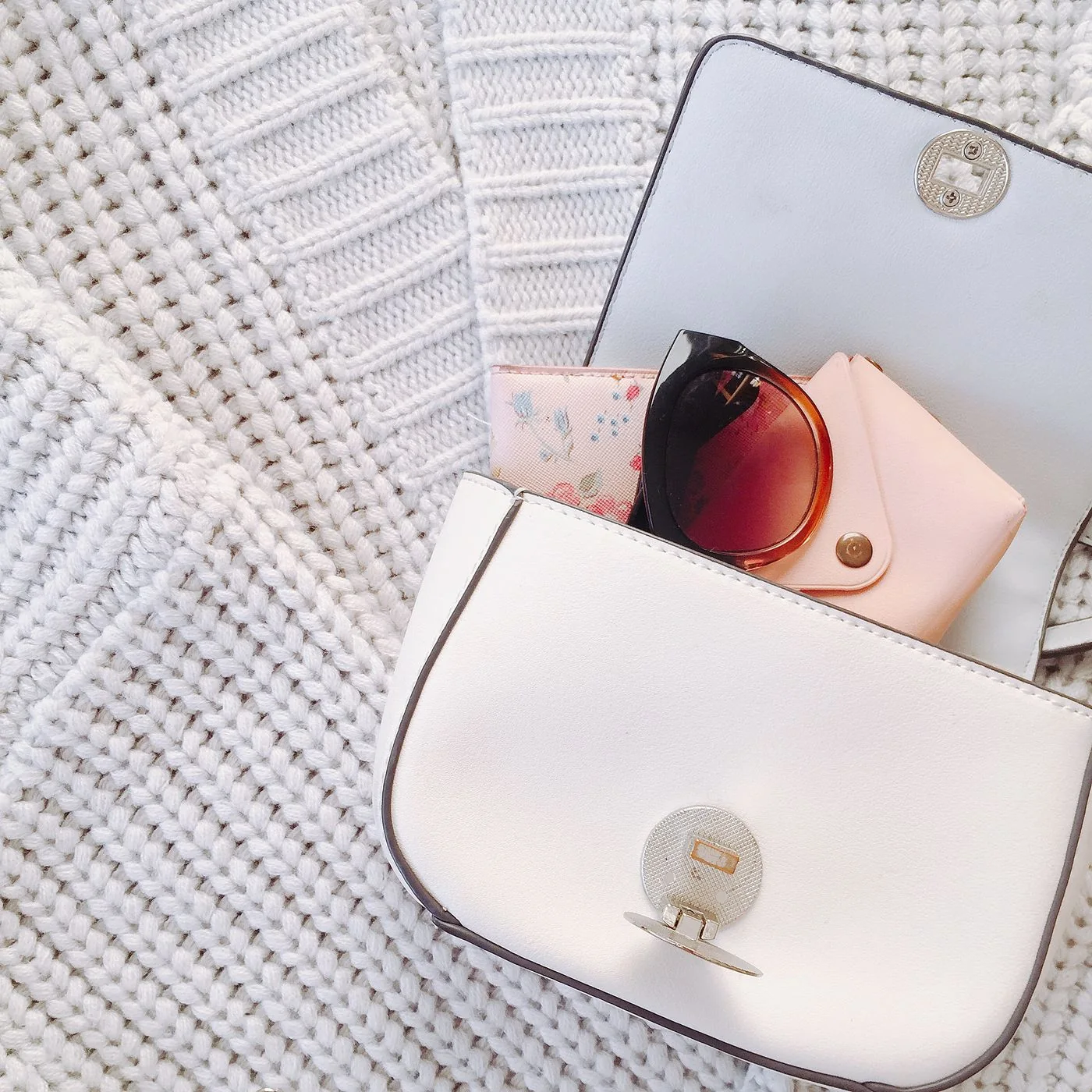
Compare Bag Hardware Colour with Existing Outfit Details
Compare the visible colour of bag hardware with existing outfit details, choosing a relationship you enjoy without treating a photograph as proof of material composition.
Read the story →
Give a Blazer Lapel and Shirt Collar Comfortable Space
Give a blazer lapel and shirt collar comfortable space through actual layers, front and back fit, normal movement, intended fastenings, and complete outfit use.
Read the story →