
Make a Room Reference Note for One Household Purchase
Keep a modest room reference for one intended purchase, separating reliable dimensions and product information from a visual idea inspired by a photograph.
Shopping disclosure: links within this story are ordinary retailer links. Separately identified advertisements elsewhere on the page may contain affiliate links. Our full disclosure.
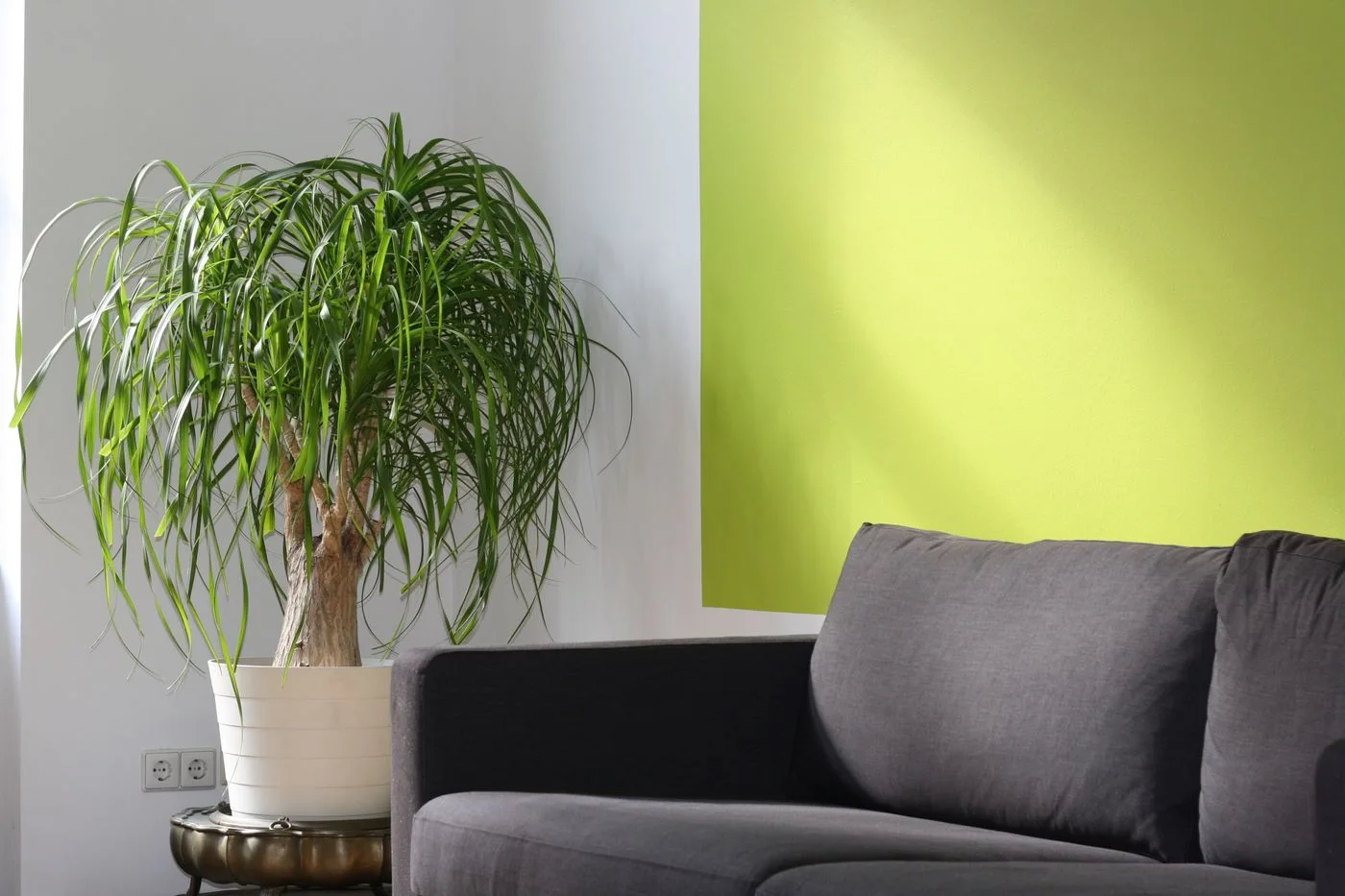
A room reference note can make one household purchase easier to assess without turning into an inventory of the whole home. Record the details that affect the specific decision: reliable dimensions, the ordinary use of the area and a few relevant visual references. Keep measurements separate from impressions. A photograph can remind you of a colour relationship while leaving a practical dimension entirely unestablished.
Name the purchase and its real role
Write what you are trying to choose and what it needs to do. A chair for an ordinary pause, a storage object and a decorative item ask different questions. Avoid recording every possible room detail before identifying the decision the note is meant to support.
Include the reason an existing object no longer answers the need, if that is part of the situation. You may discover that the next action is to use something differently rather than buy another piece. The reference should clarify the problem, not create a purchase simply because a page is ready for one.
Keep reliable dimensions identifiable
Use appropriate established methods and relevant product or competent guidance for any measurement or technical requirement. Record what each dimension describes, including the unit. A bare number is difficult to use when you cannot remember whether it refers to the object, the available space or a clearance that still needs checking.
Do not infer precision from a photograph or an approximate drawing. If a requirement matters and has not been established, label it as an open question. The note is more useful when it reveals a gap than when it hides one behind a neat layout.
Add the occupied room context
Notice doors, routes and the positions people actually use. A piece that fits an empty rectangle can still affect another ordinary task. The mirror occupied-view guide offers one example of assessing an object through real positions instead of only its isolated appearance.
Keep technical installation, building and product questions with the appropriate source. This article does not supply a method for fitting or fixing an object. The reference note should carry those requirements forward clearly, not replace them with a styling idea.
Keep visual references modest
Use a small set of appropriate private photographs or samples to remember the nearby surfaces. Label what each reference is meant to show. A colour image and a dimension record do different jobs, and neither should silently stand in for the other.
The print colour and room guide helps keep a visual comparison grounded in the room you already have. A reference can support preference without guaranteeing an exact screen colour match.
Review the note before comparing products. Can you tell which information is established, what the object must do and which question remains open? Remove details that do not serve this decision. Once the purchase question closes, retain only what has an actual future use. A small focused reference can make shopping more understandable without becoming another household project that never reaches an endpoint.
A little more to adore
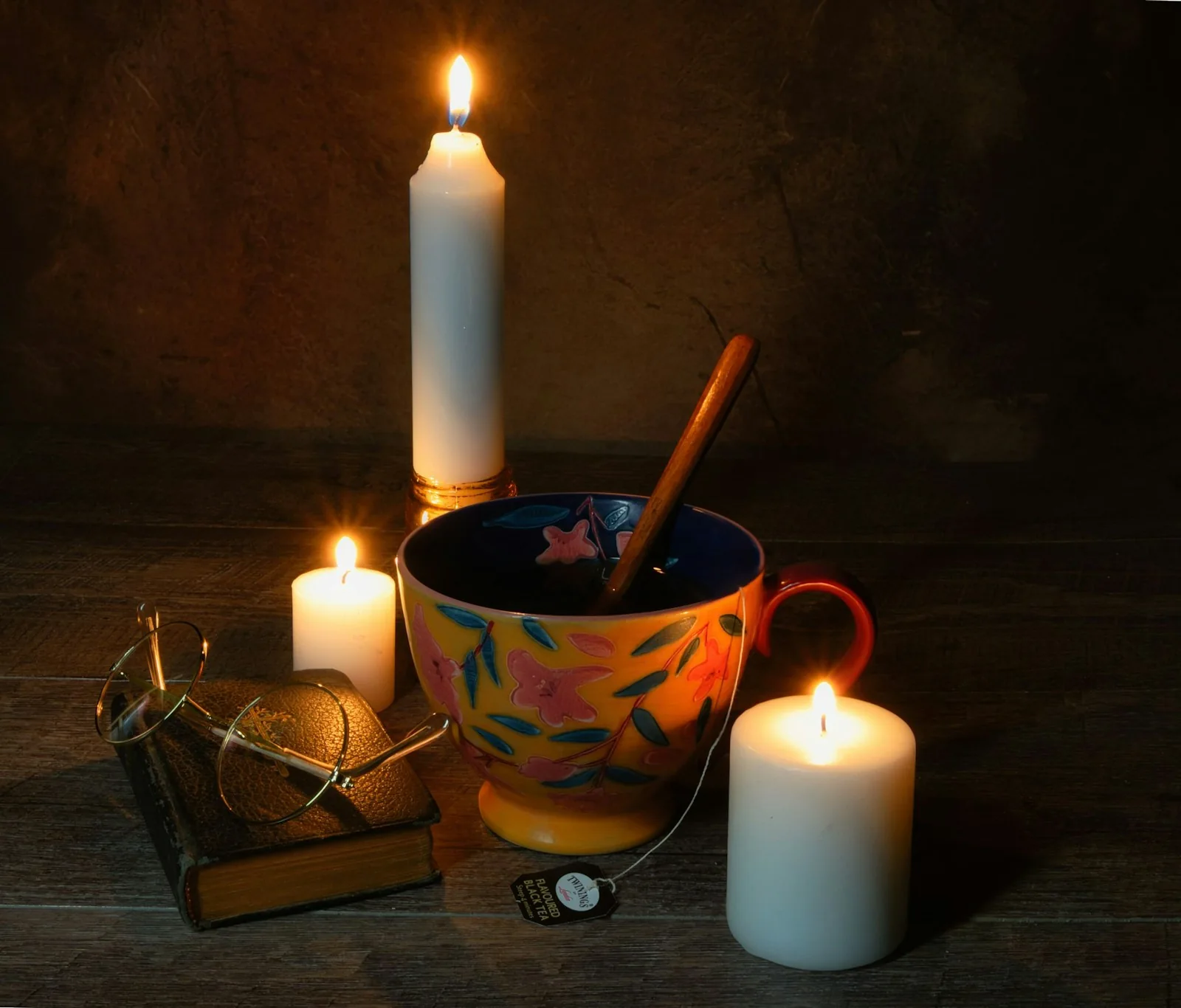
Give Bedside Glasses a Suitable Case and a Clear Place
Give bedside glasses an appropriate case, specific care, stable clear placement, comfortable access, separate belongings, and a complete morning handover.
Read the story →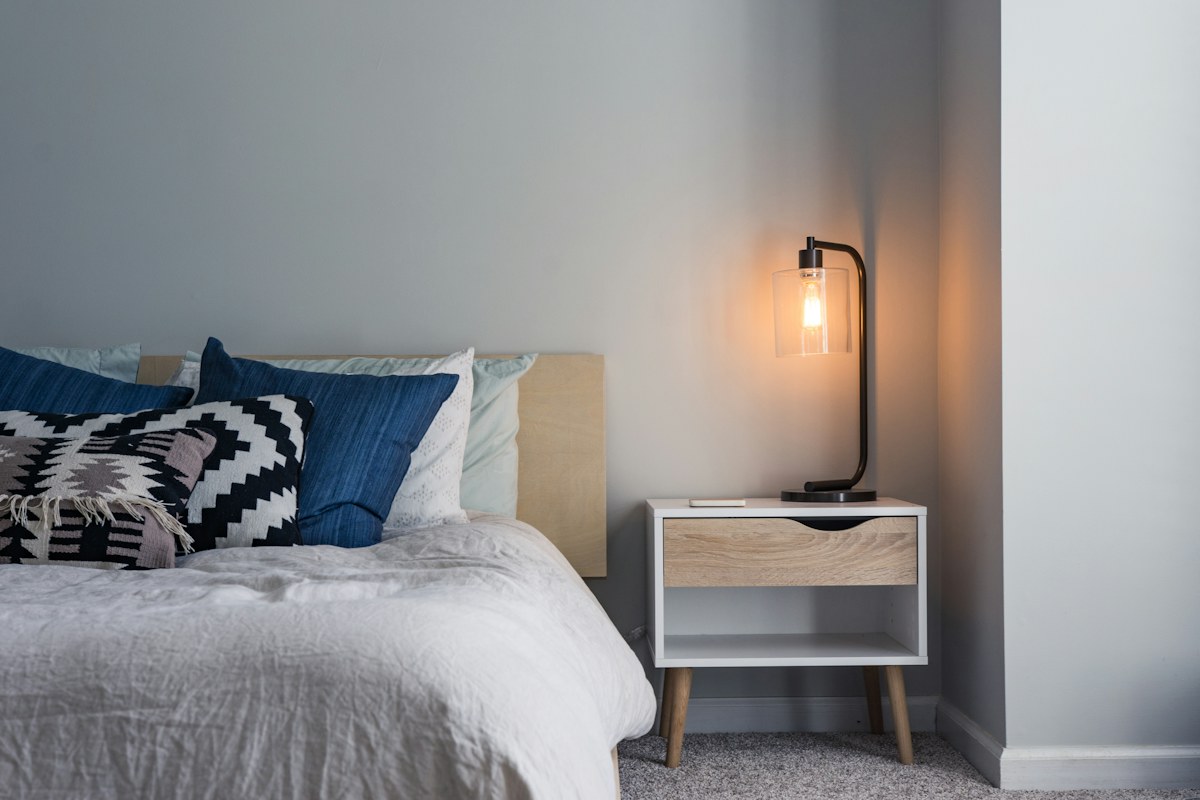
Choose a Bedside Lamp Through Switch Reach
A bedside lamp is easier to choose when its switch can be reached through the way the bed is actually used. A photograph of a lamp on a table says little about that ordinary m
Read the story →